Structuring a Step-Based Experience for Digital Skill Learning
What could a more guided digital skill learning experience look like?
DIY crafting has become a popular way for people to explore creativity and develop new skills. Many learners rely on online tutorials to get started, but learning hands-on crafts through digital instruction can be challenging. Tutorials are often designed for a broad audience, making it difficult for beginners to follow along or for more experienced learners to find content that matches their skill level. Without clear guidance or feedback, learners must interpret instructions and evaluate their own progress.
When I first began learning knitting and crochet through YouTube tutorials, I often found myself replaying sections and questioning whether I was performing steps correctly. This experience led me to explore how digital platforms could better support learners throughout the process of skill development.
Identifying Challenges in Digital Learning
Where do learners struggle the most when following digital tutorials?
From multiple rounds of user interviews with self-learners, I identified three key challenges that made the digital learning process slower, more frustrating, and less supportive.
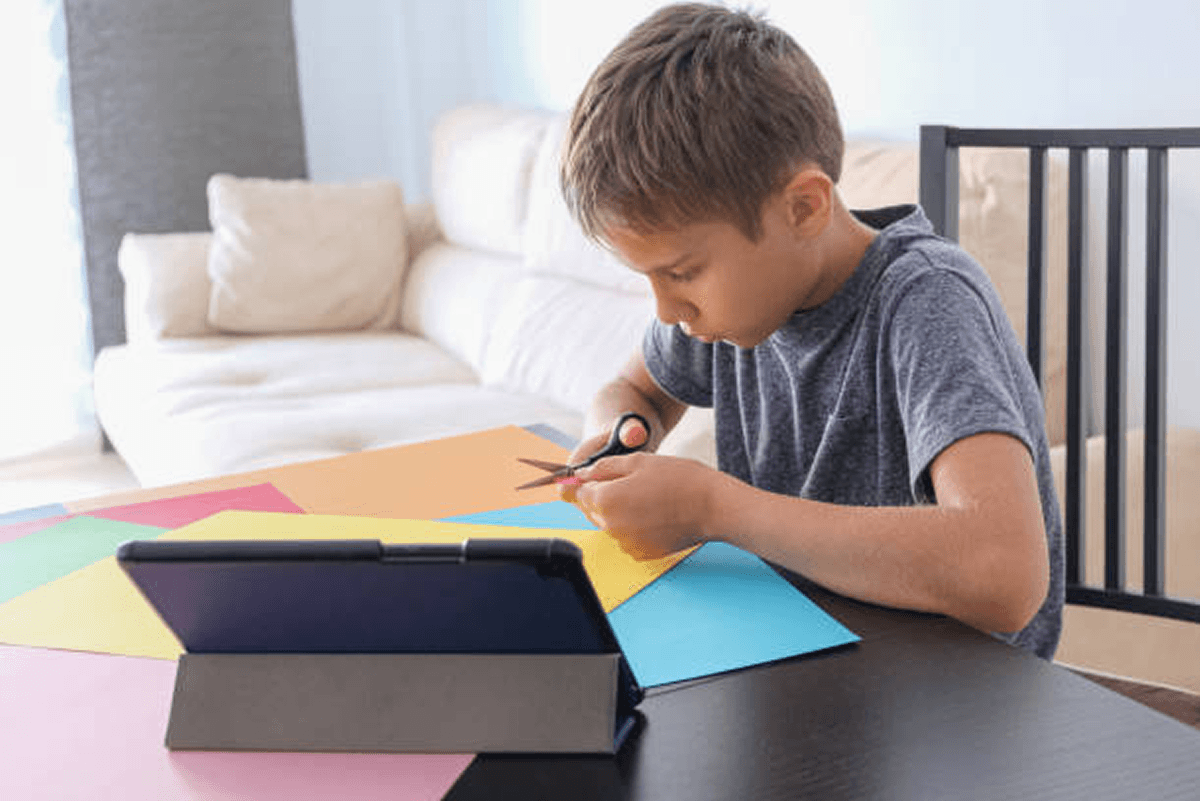
Uncertainty and Lack of Confidence in Progress
Learners often felt unsure whether they were performing steps correctly, as digital tutorials could not confirm or respond to their actions.

Difficulty Identifying and Fixing Mistakes
Mistakes were frequently discovered too late, forcing learners to undo progress and disrupting their learning flow.

Lack of Structured Learning Progression
Without clear guidance on what to learn next, learners relied on trial and error, making skill development feel overwhelming and unstructured.
Evaluating Existing Platforms
How do current platforms support skill learning?
I explored existing platforms designed to help people learn new skills, but found that they primarily delivered instructions without fully supporting learners throughout the process.

YouTube
Offers a huge, free selection of video demos
Learning quality and difficulty are inconsistent
Tutorials are largely passive with limited interactivity and feedback
WikiHow
Clear, consistent step-by-step instructions
Instructions don't adapt to different skill levels
Checking accuracy is extremely difficult with limited support
Craftsy
Offers a more structured, course-like classes
Instruction-guidances are not truly responsive to users real time
Structured course formats could reduce the relaxation of a hobby
Framing the Design Challenge
What questions drove our design direction?
Before designing, I came up with several research questions to decide on a clear design direction.
How might we help learners feel more confident while practicing hands-on skills independently?
How might we better guide learners through their skill development over time?
How might we create a learning experience that adapts to different skill levels and needs?
How might we support learners in identifying and correcting mistakes during the process?
How might we reduce frustration and make digital skill learning feel more supportive?
Defining a More Adaptive Digital Learning Environment
What if learners could progress through skills with clarity and confidence?
The goal was to create a more supportive digital learning experience that helps learners follow instruction, track their progress, and build skills with confidence. By providing structured guidance and adaptive support, the system enables learners to progress more clearly and continuously throughout their learning journey.
Positioning Within the Ecosystem
Which opportunities offer the greatest potential impact?
Positioning Matrix
To better understand where SNIP could most value, I mapped out existing platforms based on the level of learning guidance and adaptability they provide.
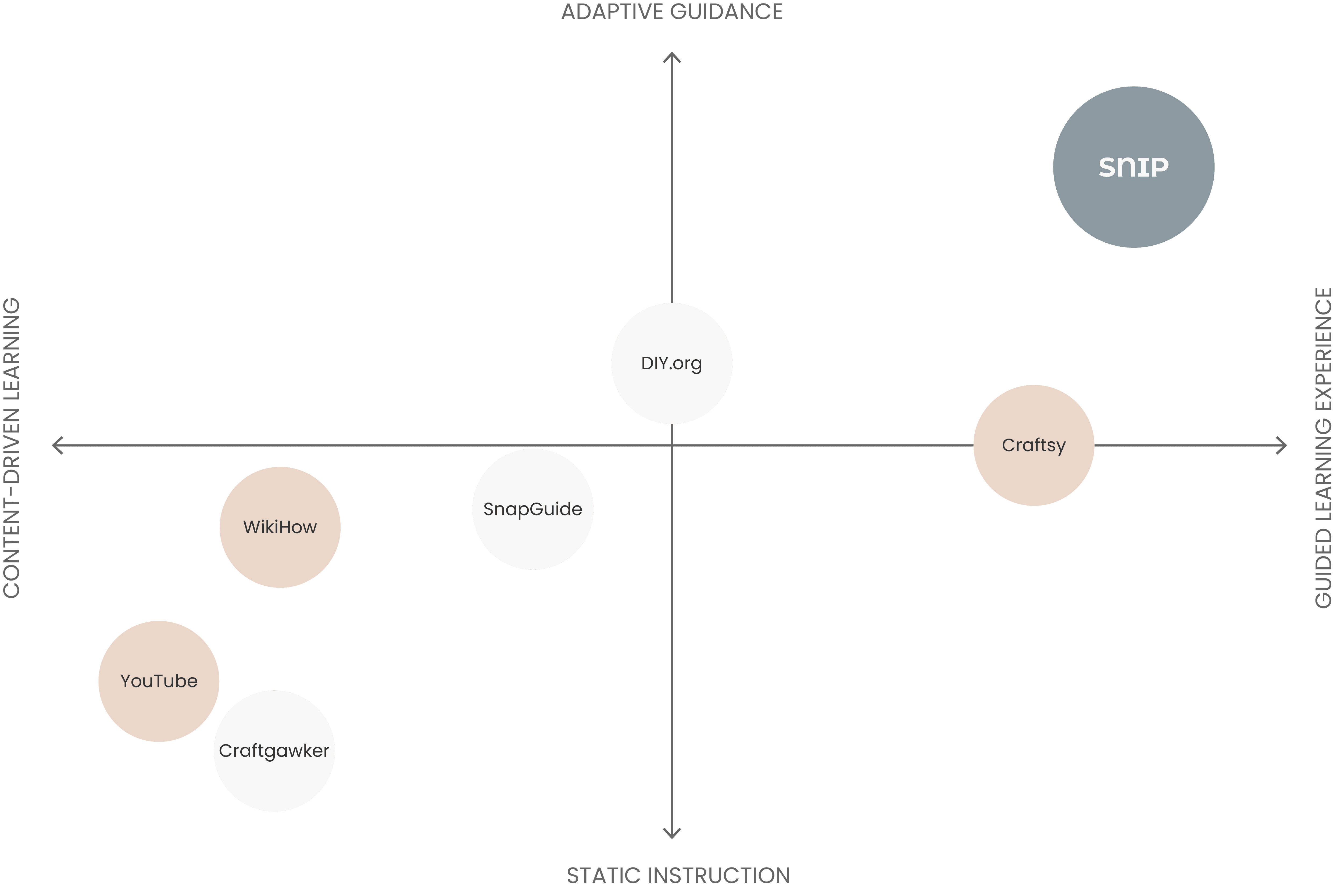
Most existing platforms deliver generalized instruction with limited adaptability, revealing an opportunity for a more personalized and responsive learning experience.
MoSCoW Prioritization
Based on these opportunity areas, I listed and prioritized key features that would most effectively support a more guided and adaptive learning experience.
Must Have
•
Structured step-by-step learning pathways
•
Personalized skill-level based content guidance
•
Clear progress tracking throughout learning
Should Have
•
Recommendations based on learner progress
•
Tools to help learners identify and fix mistakes
•
Ability to save and organize learning journeys
Could Have
•
Real-time visual feedback using device camera
•
AI-assisted tutorial and instruction support
Won't Have
•
Live instructor-led online classes
•
Physical hardware integration
Understanding Learner Needs and Motivations
Who are the learners this system aims to support?
Based on research insights, I created personas representing key learner types and their skill development journeys.
Persona 1 Beginner Learner

Jess
22, College Student
About
Emily recently became interested in embroidery after discovering handmade designs online. She started learning through digital tutorials but often feels unsure whether she is following correctly. She enjoys the creative process but wants more guidance to improve her skills.
Goals
•
Learn new creative skills from scratch
•
Successfully complete beginner projects
•
Build confidence in her abilities
Frustrations
•
Unsure if she is doing steps correctly
•
Frequently rewinds and replays tutorials
•
Doesn’t know what to learn next
Needs
•
Clear step-by-step guidance
•
Confidence and reassurance
•
Structured learning progression
Persona 2 Intermediate Learner
Daniel
28, Product Designer
About
Daniel has experience with several crafts and enjoys learning new techniques. He prefers learning independently but struggles to find tutorials that match his skill level and help him improve efficiently. He wants to learn advanced skills without repeating basic content.
Goals
•
Improve skills more efficiently
•
Learn advanced techniques
•
Continue progressing over time
Frustrations
•
Tutorials are often too basic or too advanced
•
Hard to find structured learning paths
•
Progress feels unorganized
Needs
•
Skill-appropriate learning recommendations
•
Clear progression structure
•
Efficient learning experience
Structuring the Experience
How could the system support learners at each stage?
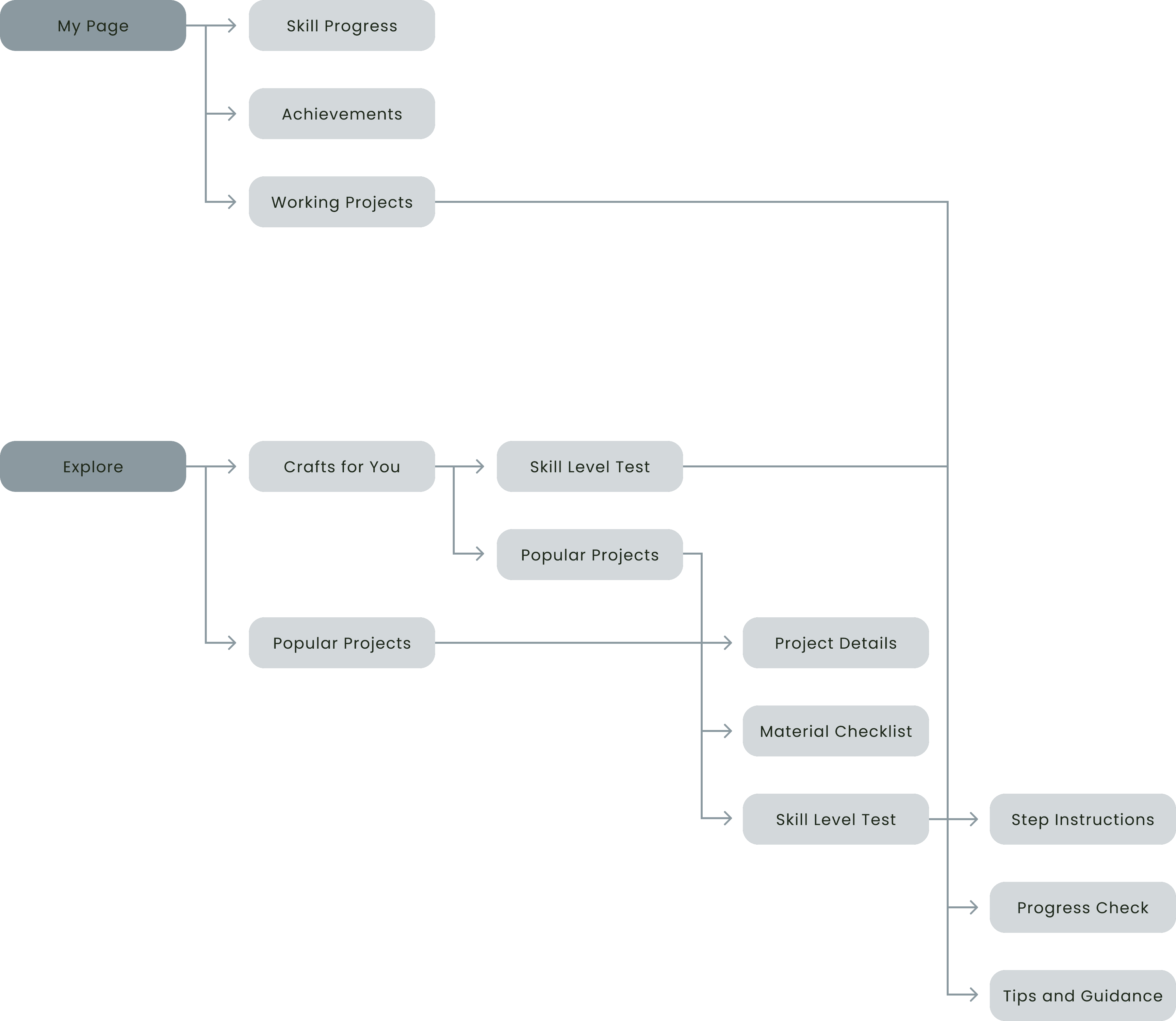
To understand how learners could navigate the platform, I mapped the key sections that structure the experience—from discovering new skills to continuing active projects.