Designing a Smart Gardening System for Beginners
What if caring for plants felt more meaningful for beginners?
Home gardening is a hobby that many people enjoy, and in recent years, its popularity has jumped, largely due to the COVID-19 pandemic. During lockdowns, and stay-at-home orders, people started to spend their time taking care of plants to connect with nature, relieve stress, and even secure food supply. However, new gardeners often face challenges understanding each plant’s unique needs and guidance on how to properly care for their plants.
Due to the rise in beginner gardeners, our team decided to explore ways to help people form a meaningful, emotional connection with their plants and provide a simplified yet enriching gardening experience that makes plant care easy and enjoyable while ensuring that plants receive the best possible care.
Understanding the Challenges of Plant Care
What are the pain points in gardening?
I interviewed a mix of beginner, intermediate, and expert gardeners to explore beginner-specific pain points and identify potential user goals that emerge with experience.
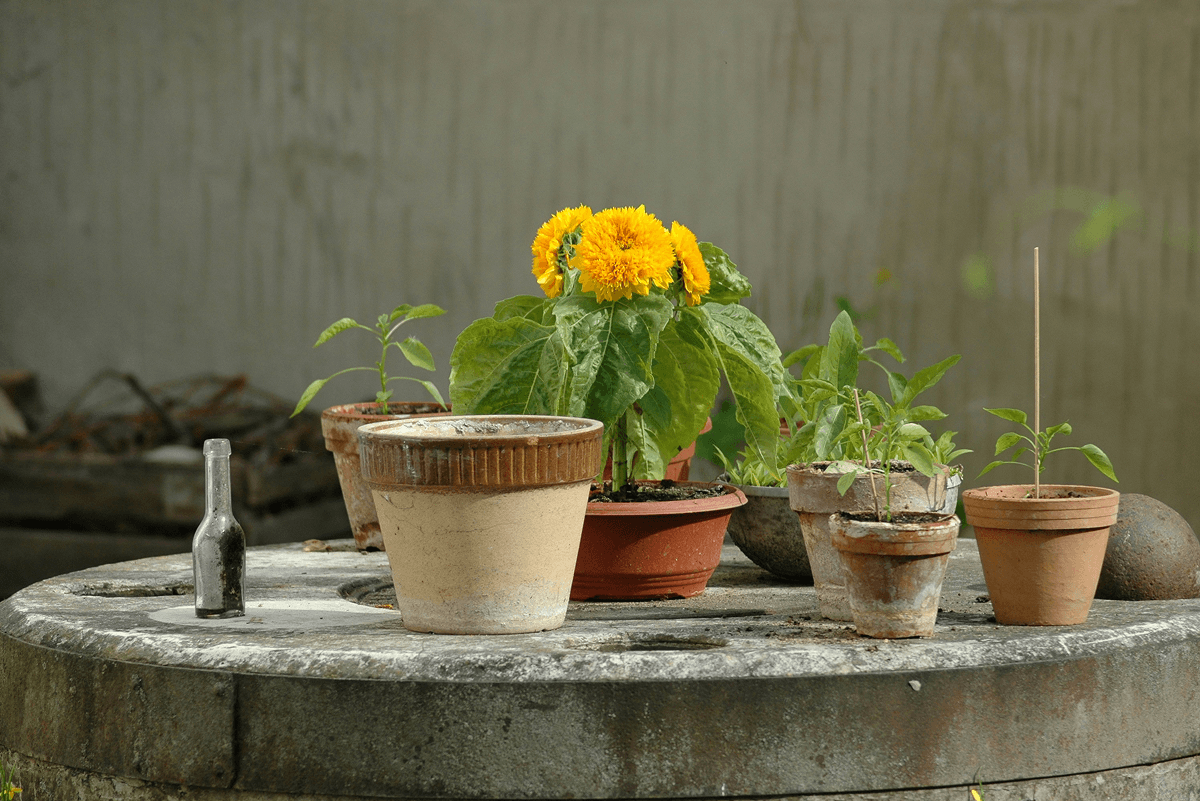
Setting up the right environment for plants is challenging
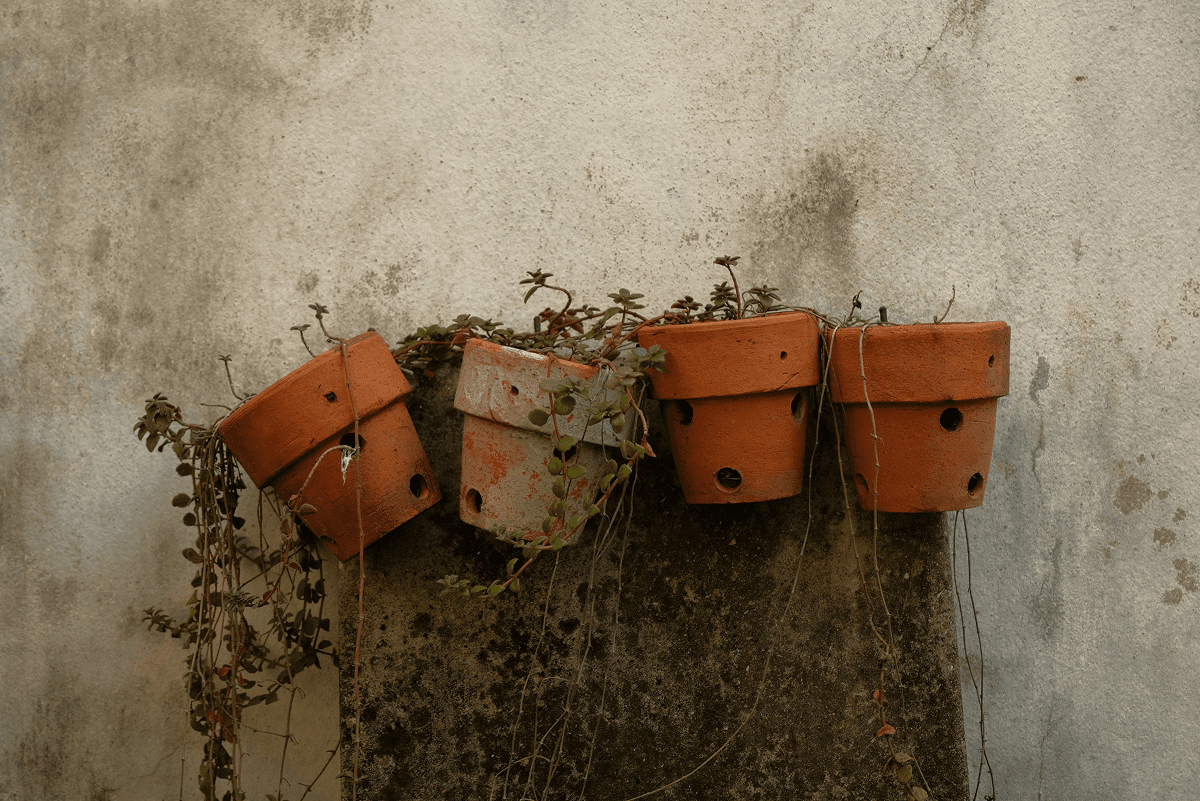
Hard to form a meaningful connection with the plant
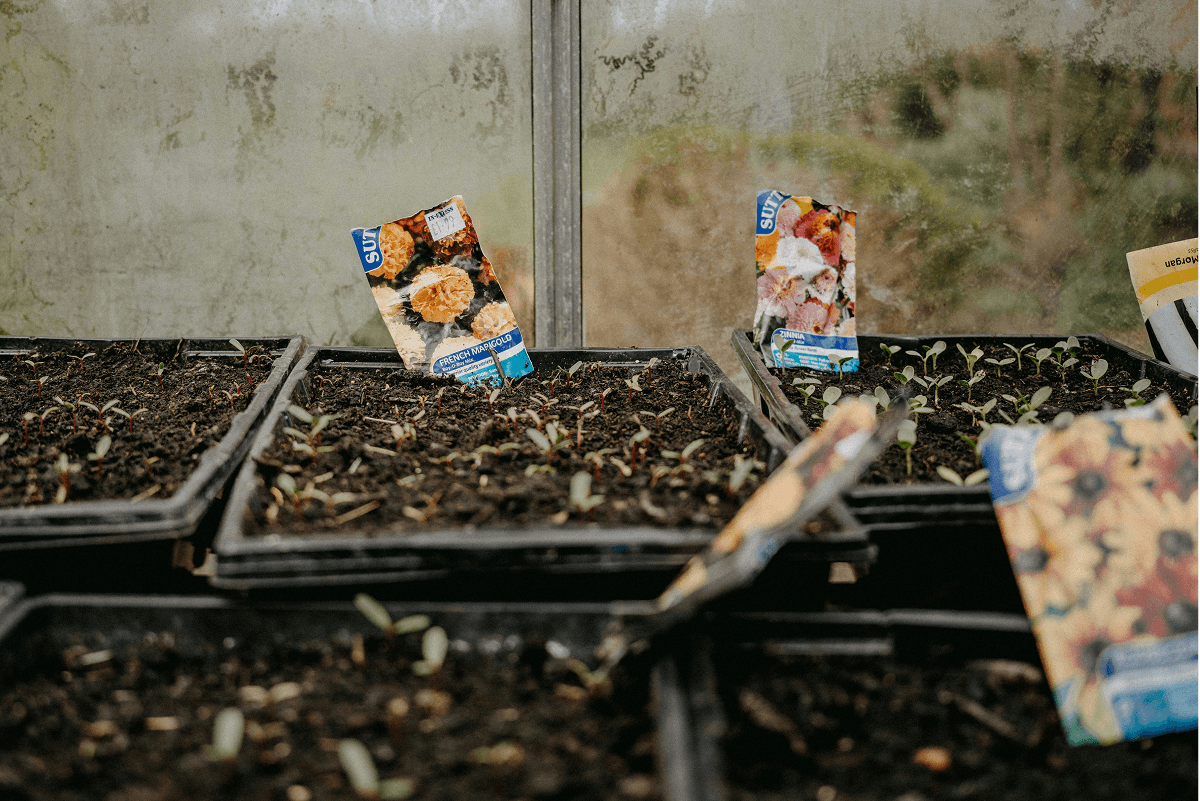
Don’t have enough information about a specific plant
Evaluating Existing Gardening Solutions
What are the current solutions and why are they not enough?
To reduce the pain points, I tried out many different products that already exist to solve the pain points, but found that it doesn’t work as effectively.

PlantSnap
Uses AI to identify plants and provides plant care guides
Lacks real-time and plant specific care guides making it hard to know each plant’s unique needs
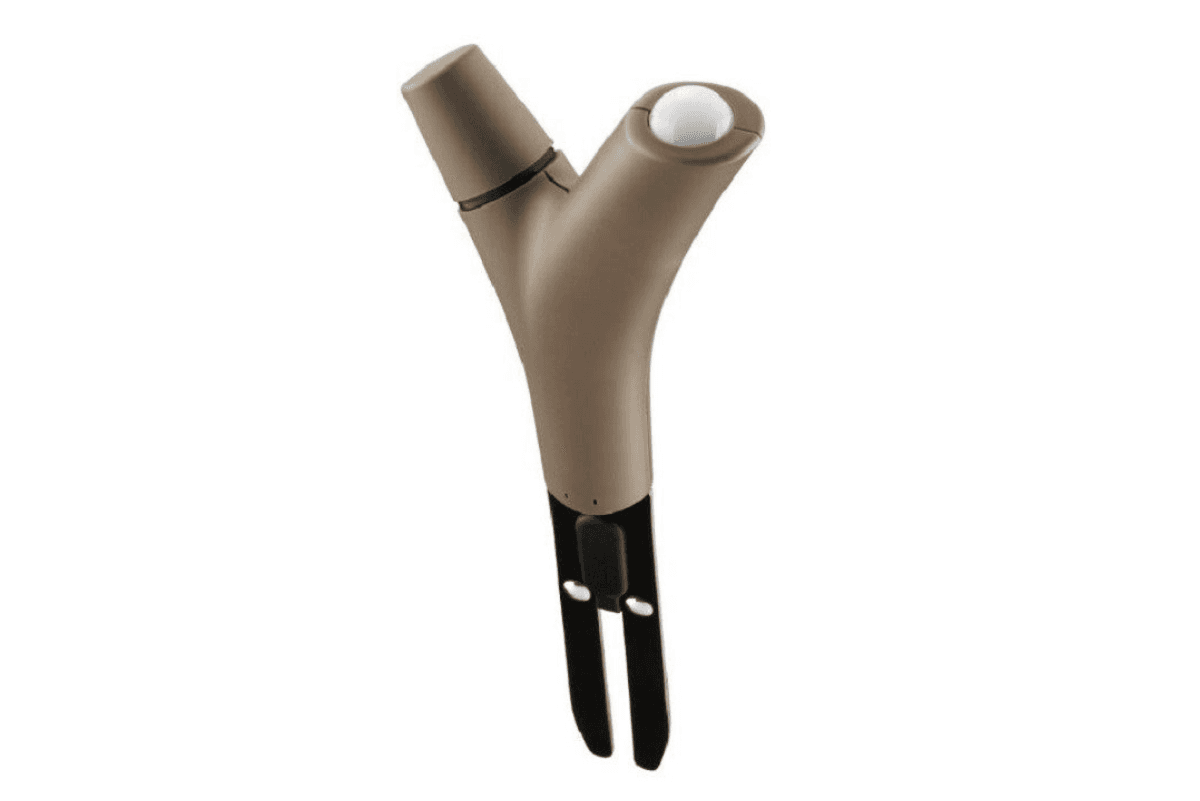
Parrot Flower Power
Connects a smart device for real-time condition checks
Only provides general care tips, which can limit its support and usefulness for beginners

Florish
Helps users track watering, sunlight and fertilizing needs
Care instructions are broad and not unique to each plant, which is less effective for beginners
Defining a More Supportive Plant Care Experience
How might we help beginners understand and care for their plants more easily?
The goal was to support beginner gardeners care for their plants with confidence and ease by providing simple, precise, and personalized guidance. By bringing each plant’s personality to life, the system delivers real-time insights and intuitive interactions that make plant care more engaging and enjoyable.
Exploring Early Interface Concepts
How did the early interface look like and what didn’t work?
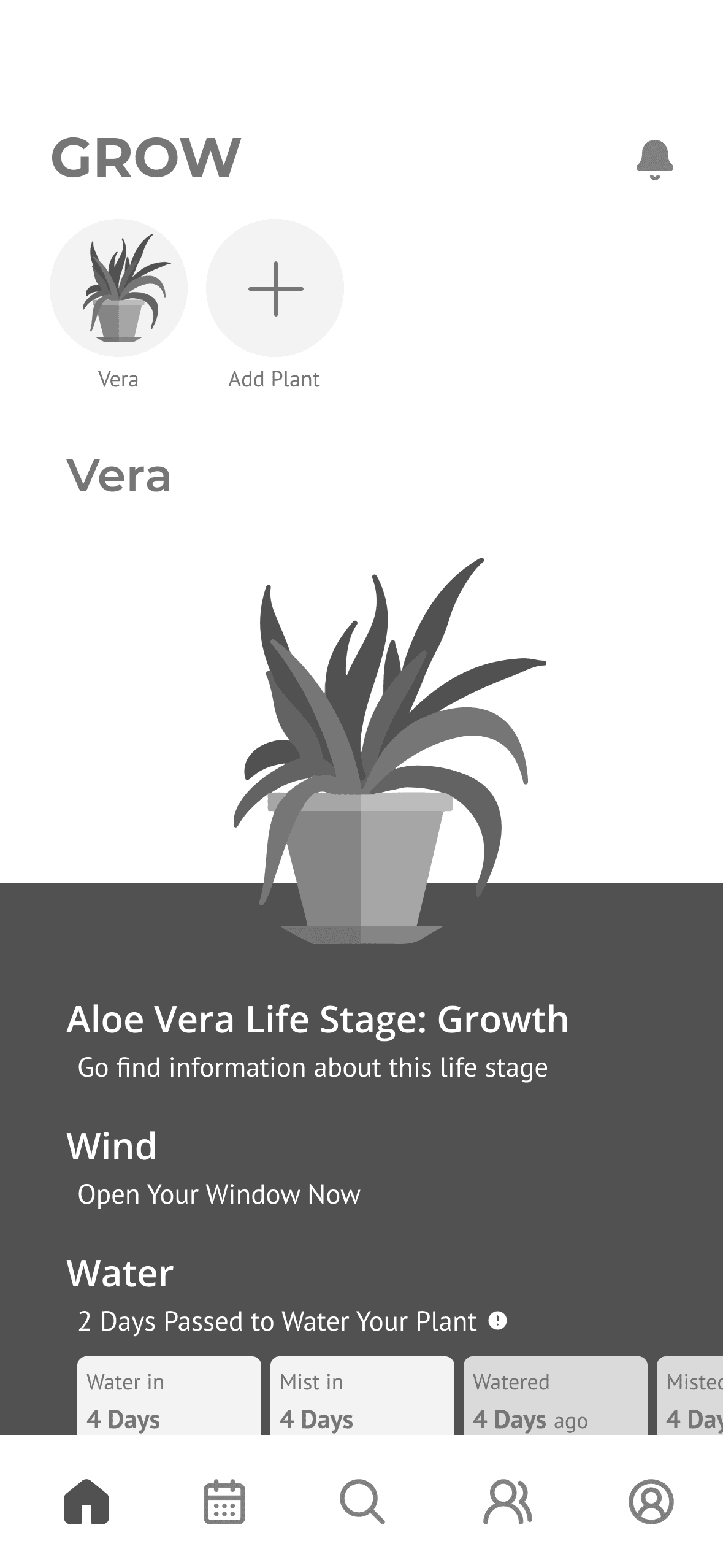
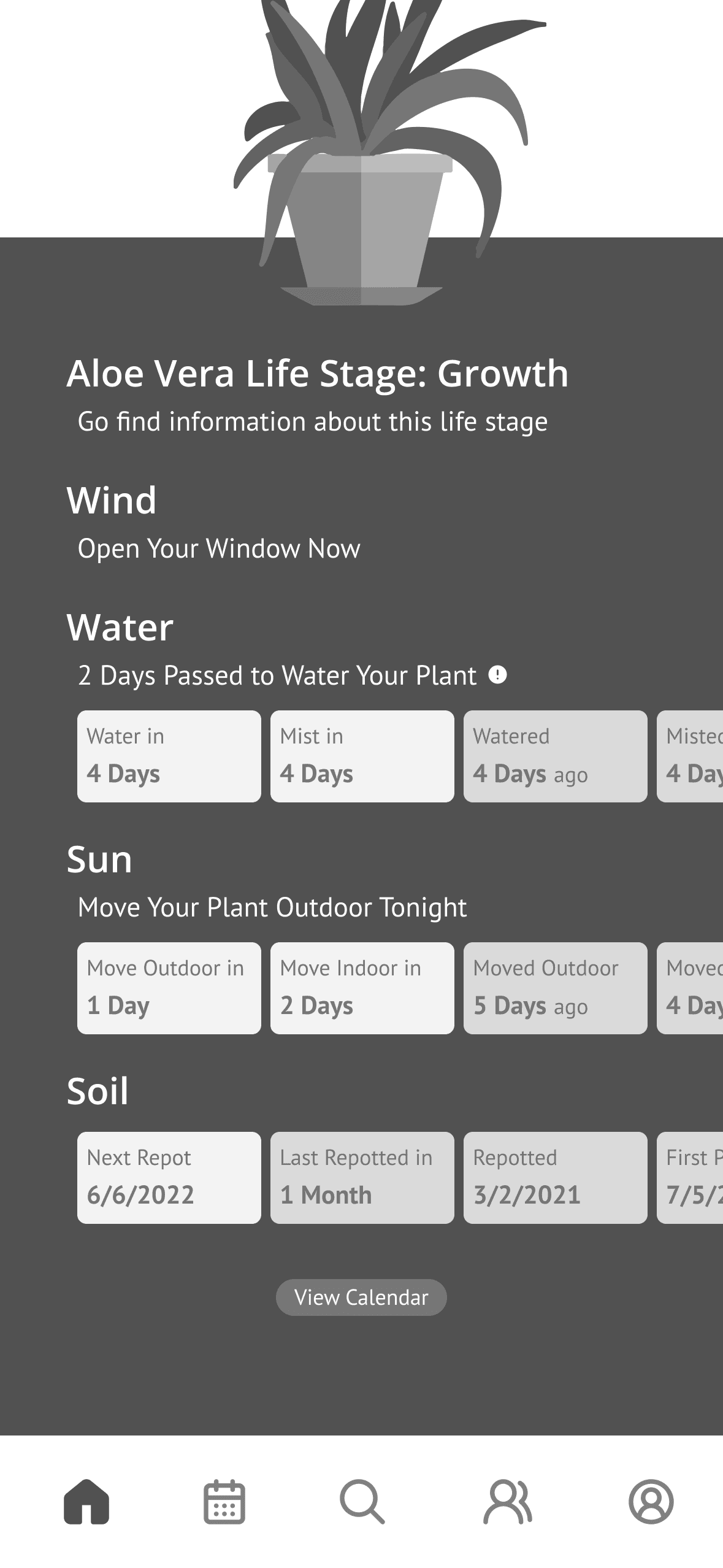
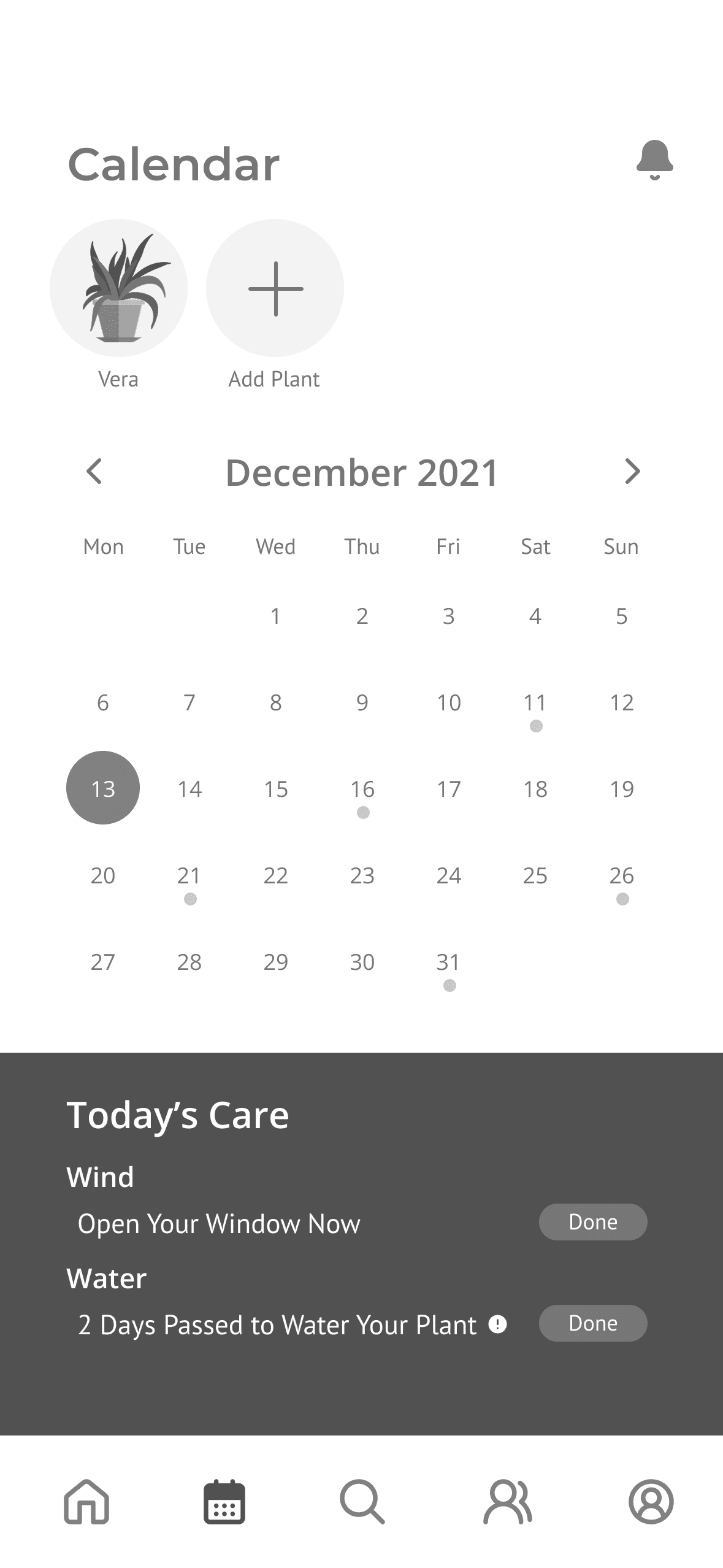
I began by mapping out the user experience through low to mid-fidelity flows and interfaces, focusing on the core interactions users would rely on most. These early iterations allowed me to quickly test assumptions, observe how users navigated the experience, and identify friction points with a small group of users before designing in higher-fidelity.
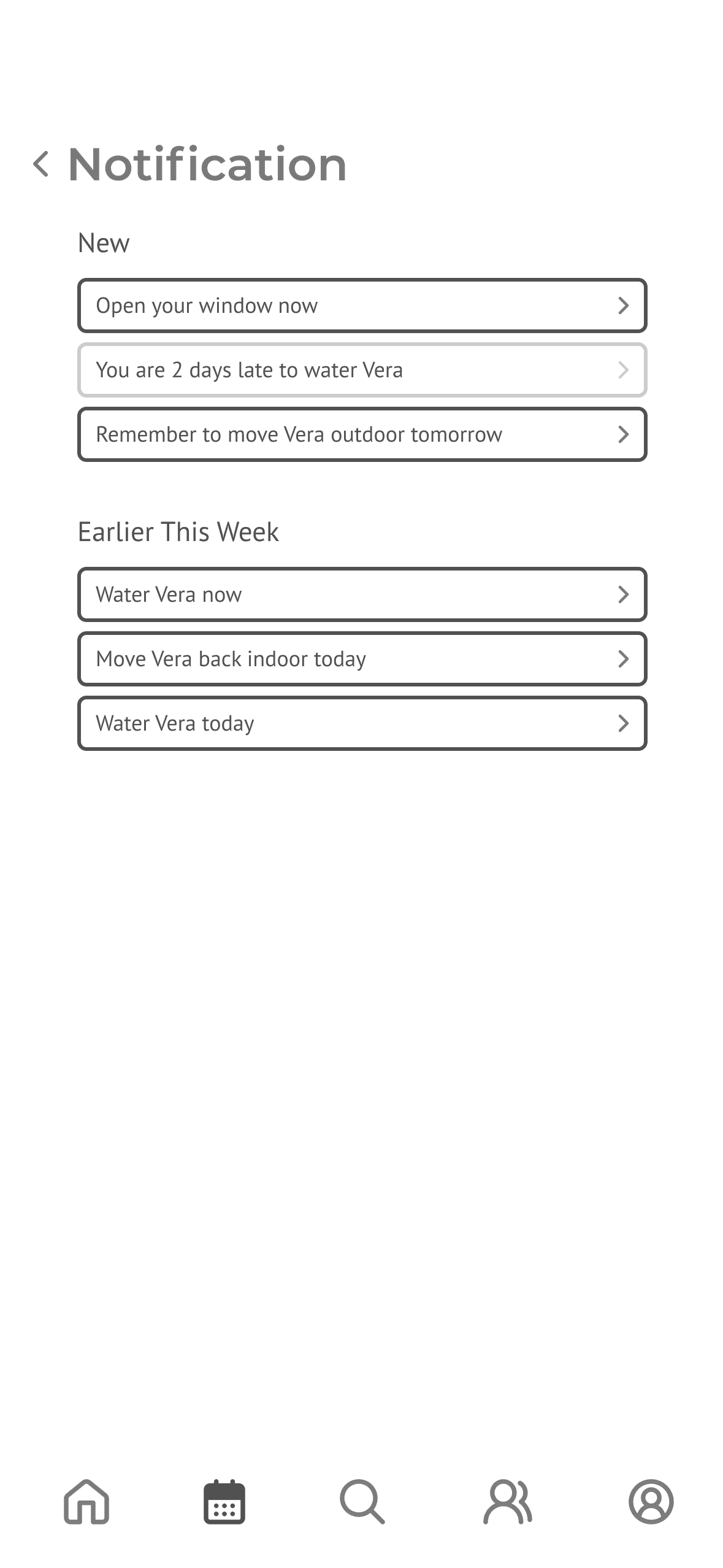
Plant Information and Care Schedule
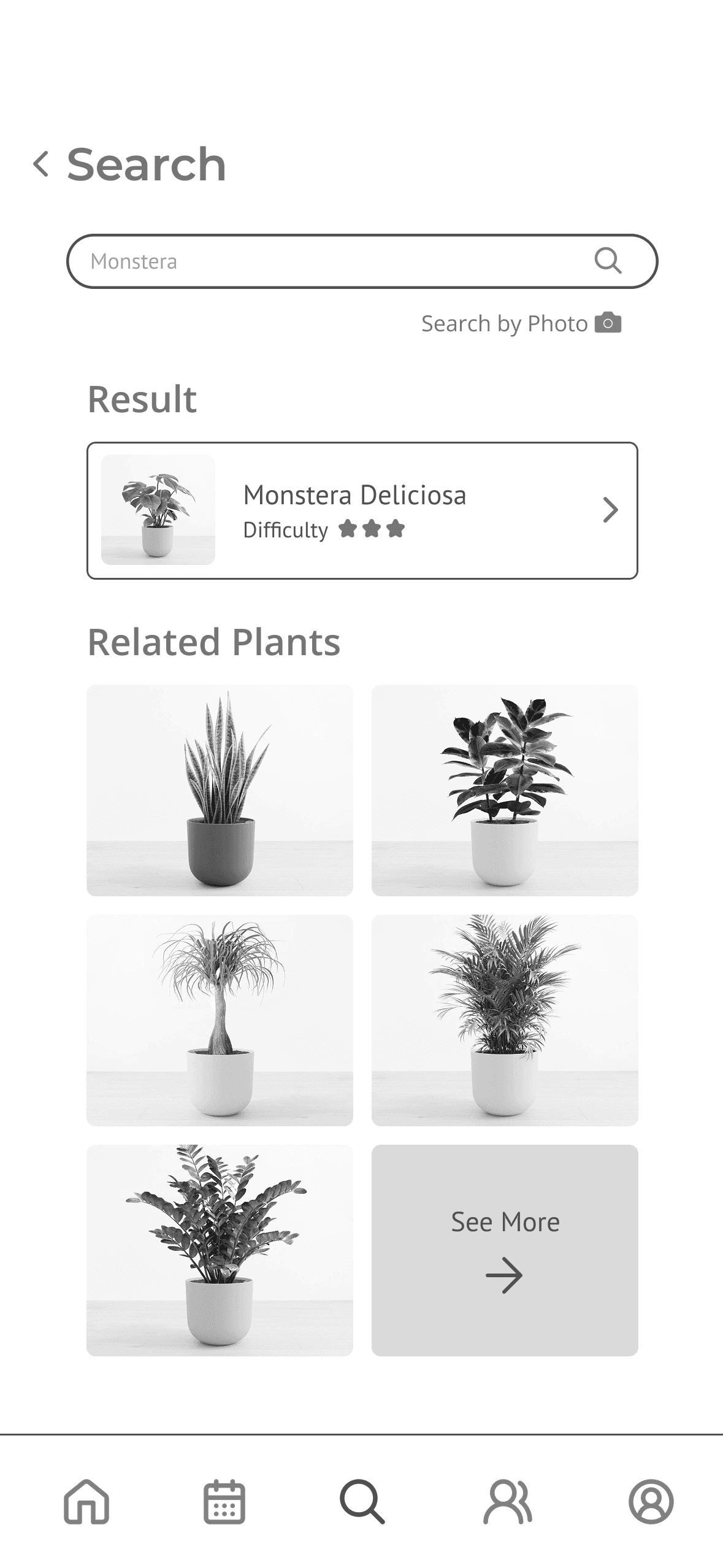
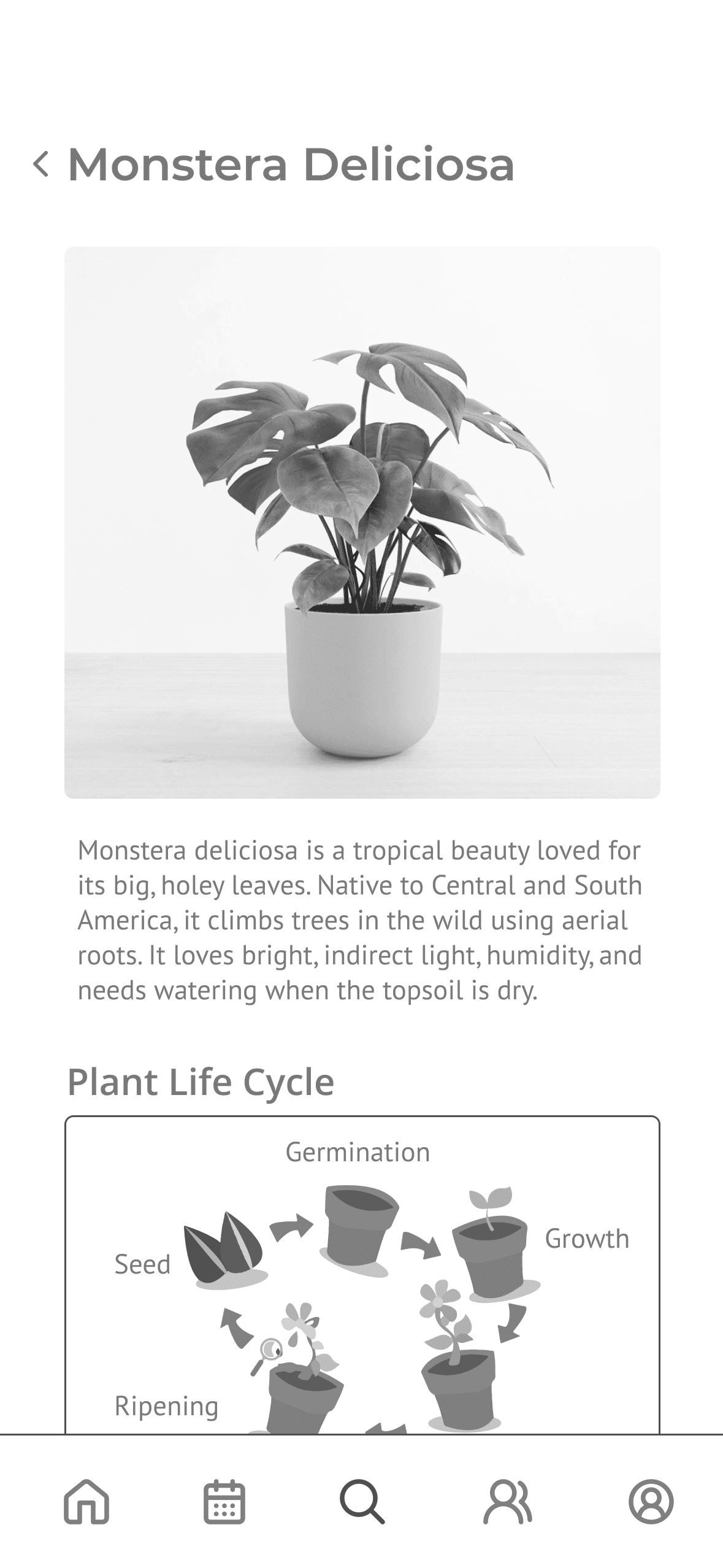
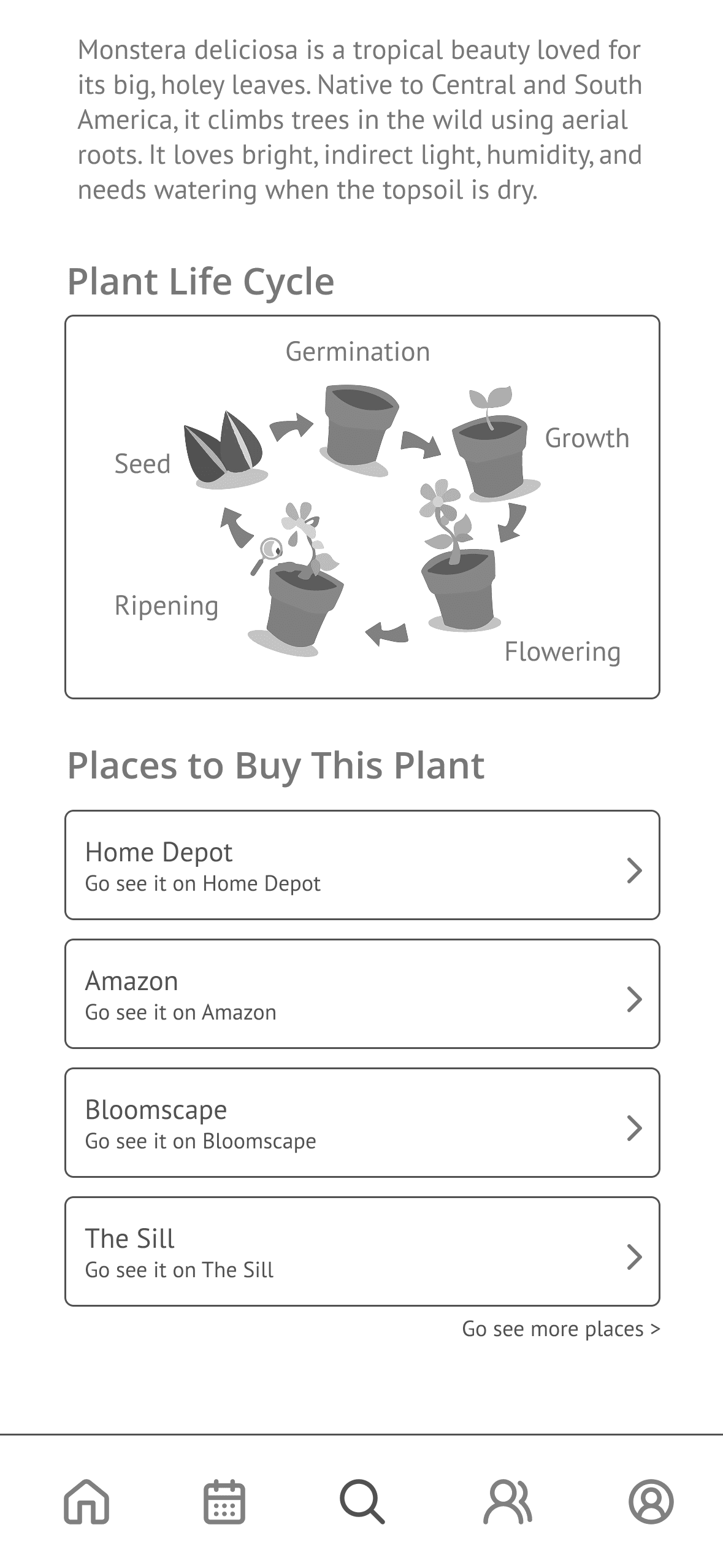
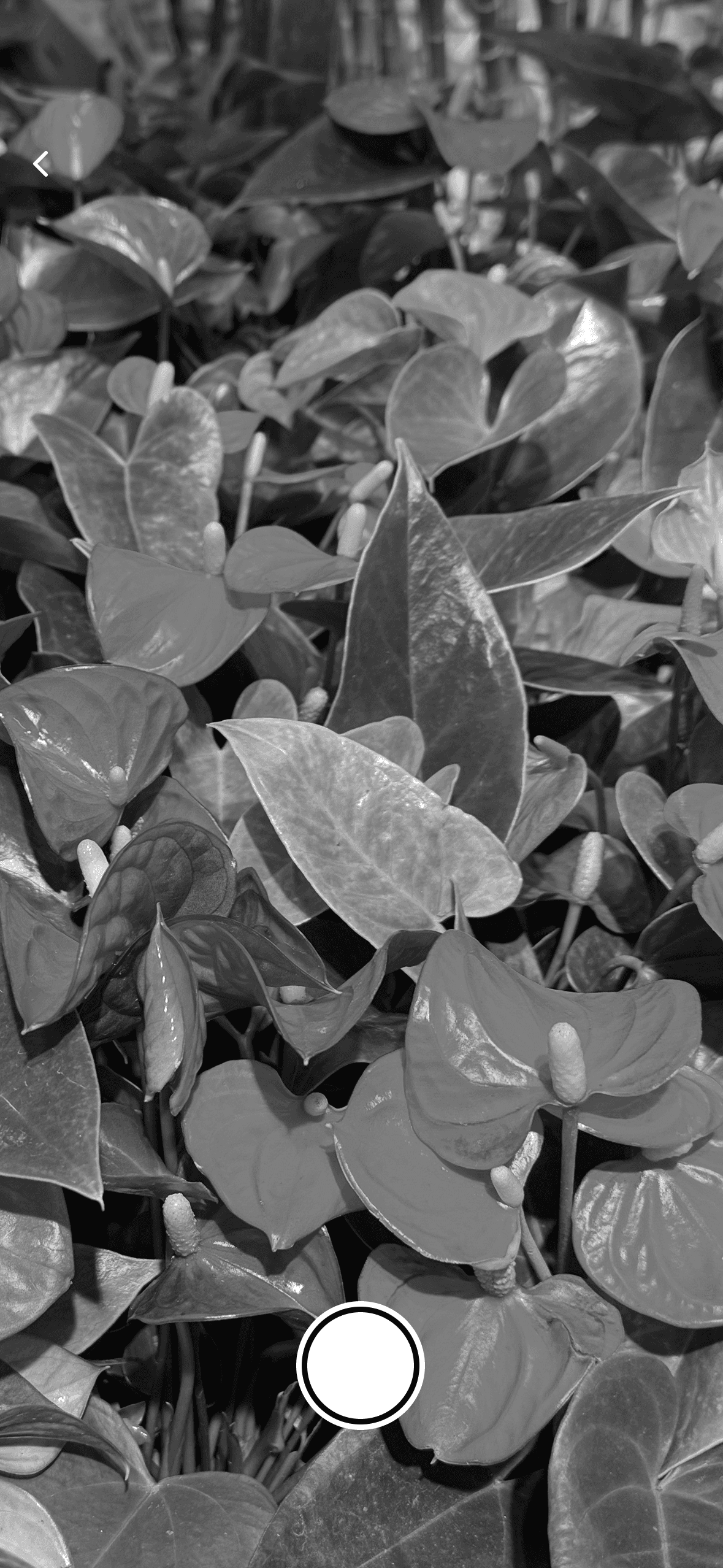
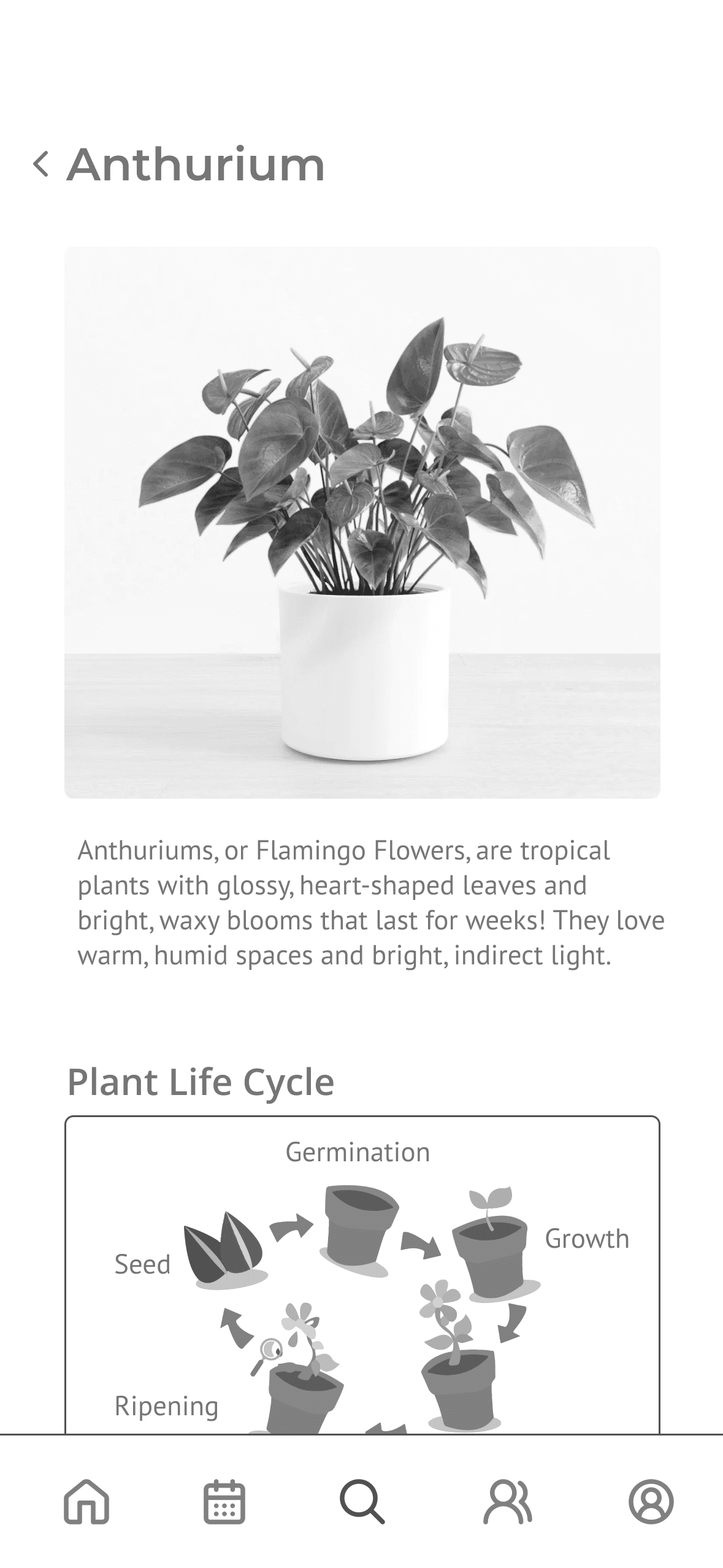
Search and Scan Plants
Add New Plant
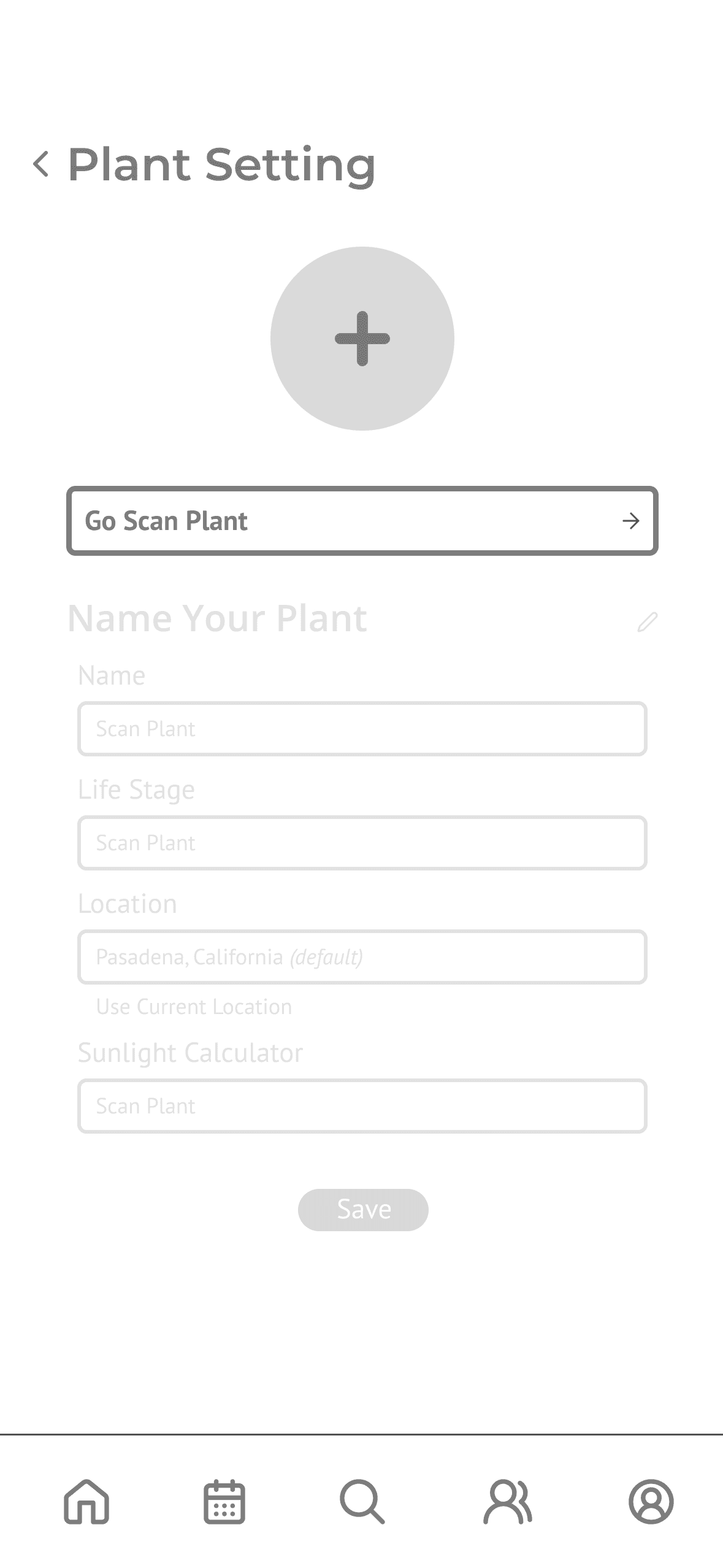
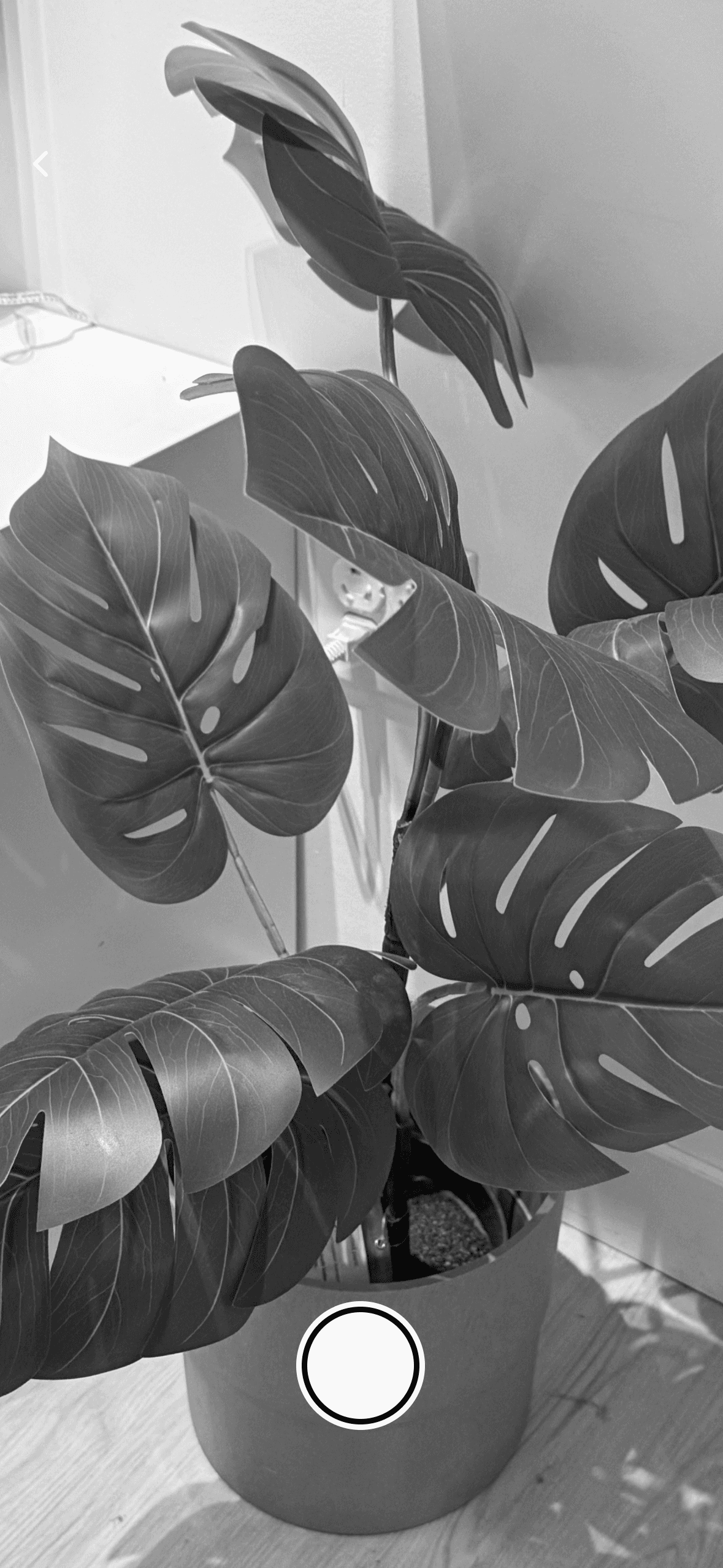
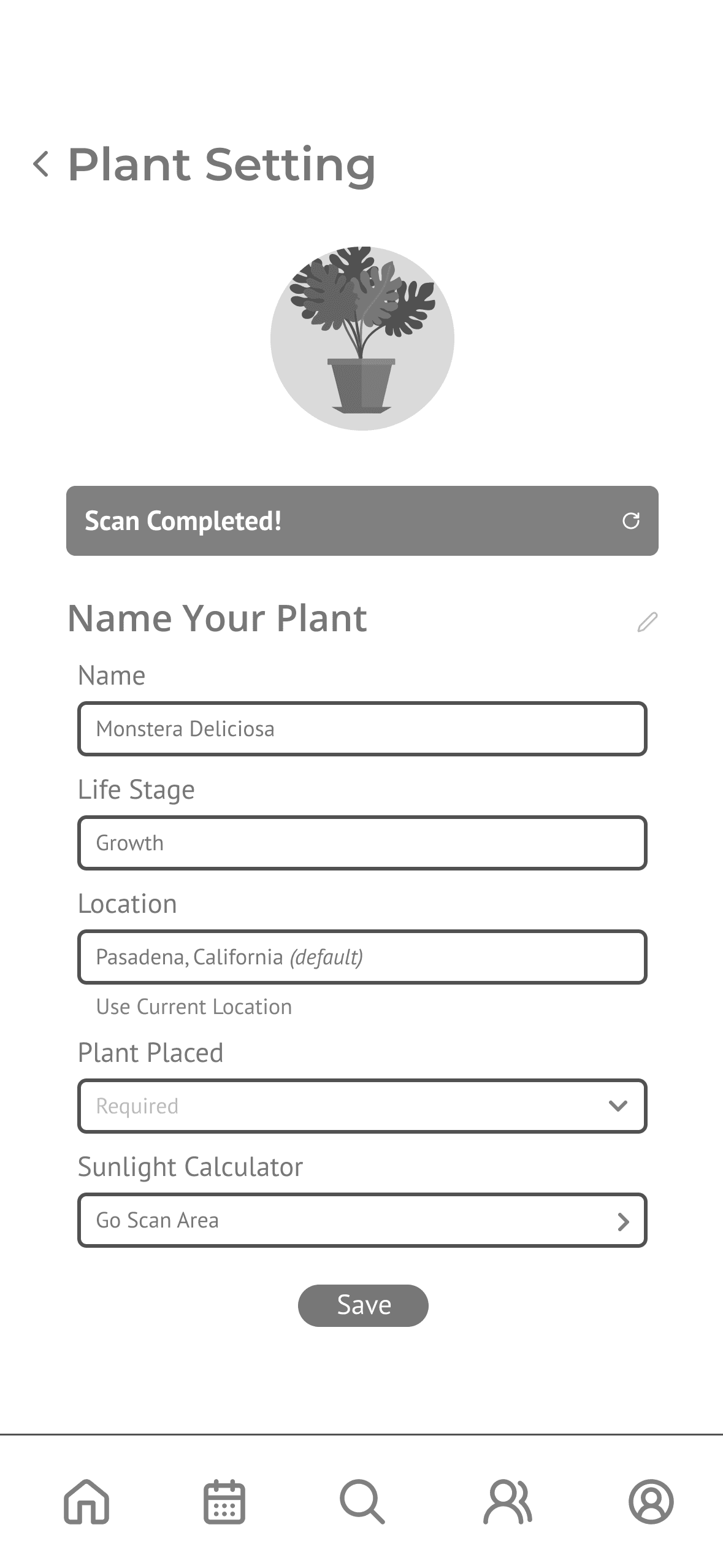
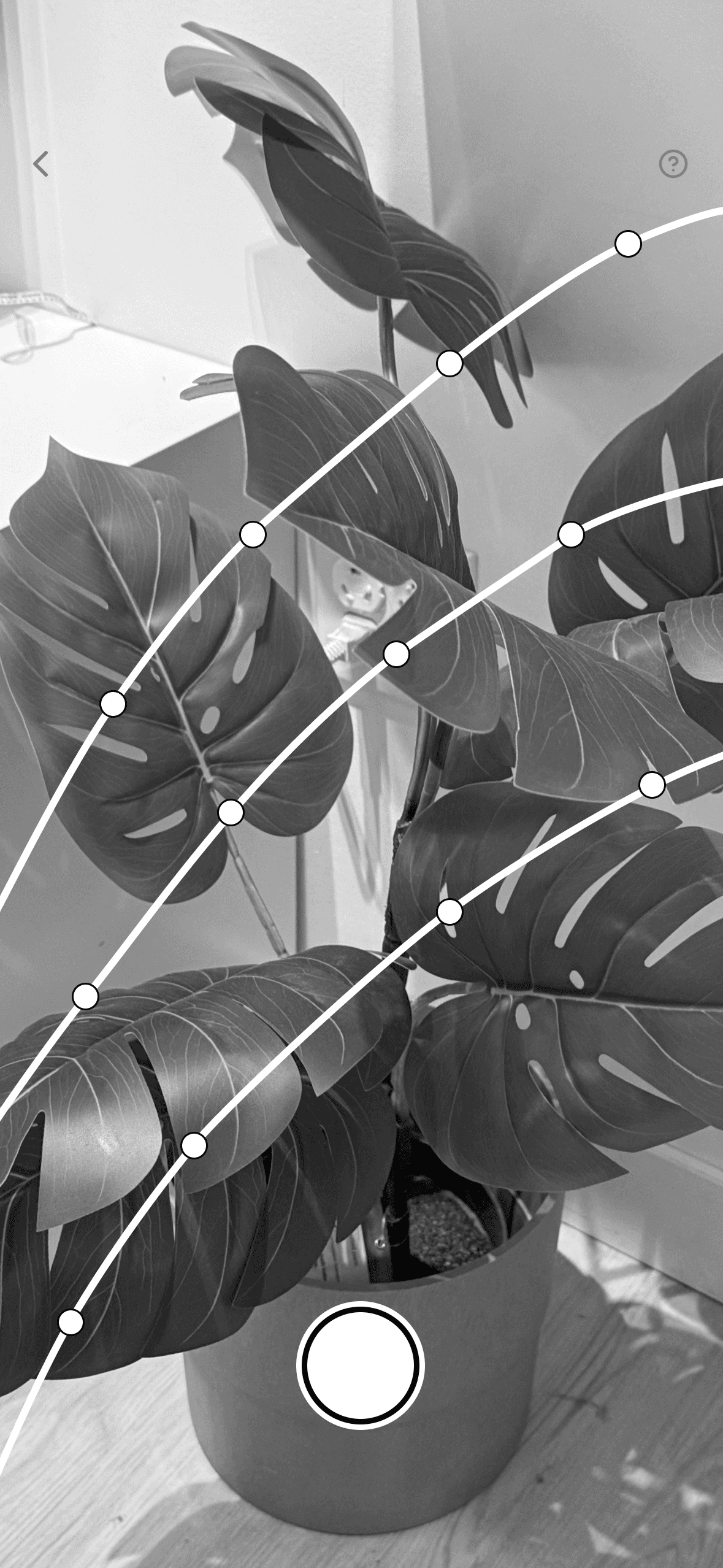
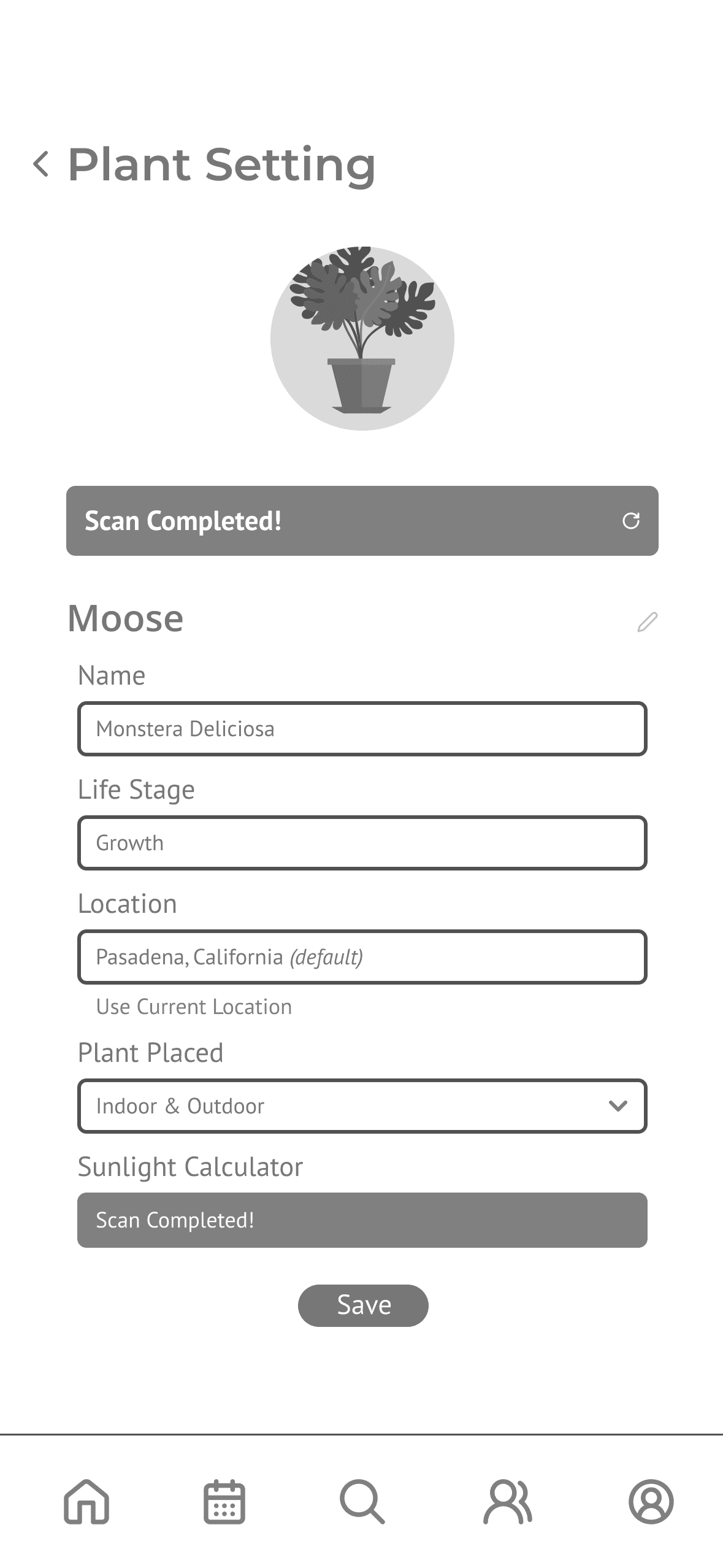
Through a couple of user testing sessions, I was able to identify where information was unclear and where more detailed data was needed to better understand plant conditions.
•
Users liked the idea of visualizing plants into a cute illustration but thought that it would be more helpful if the illustration showed more emotion for the users to actually connect with the plants
•
Users wanted more information about the plants and quick characteristics of the plants when they first browse for new plants rather than where they can buy the plant
•
Users thought that scanning the plant and environment separately was redundant and wanted the system to scan both at the same time
Bringing Emotion into the Experience
What was missing from the initial experience?
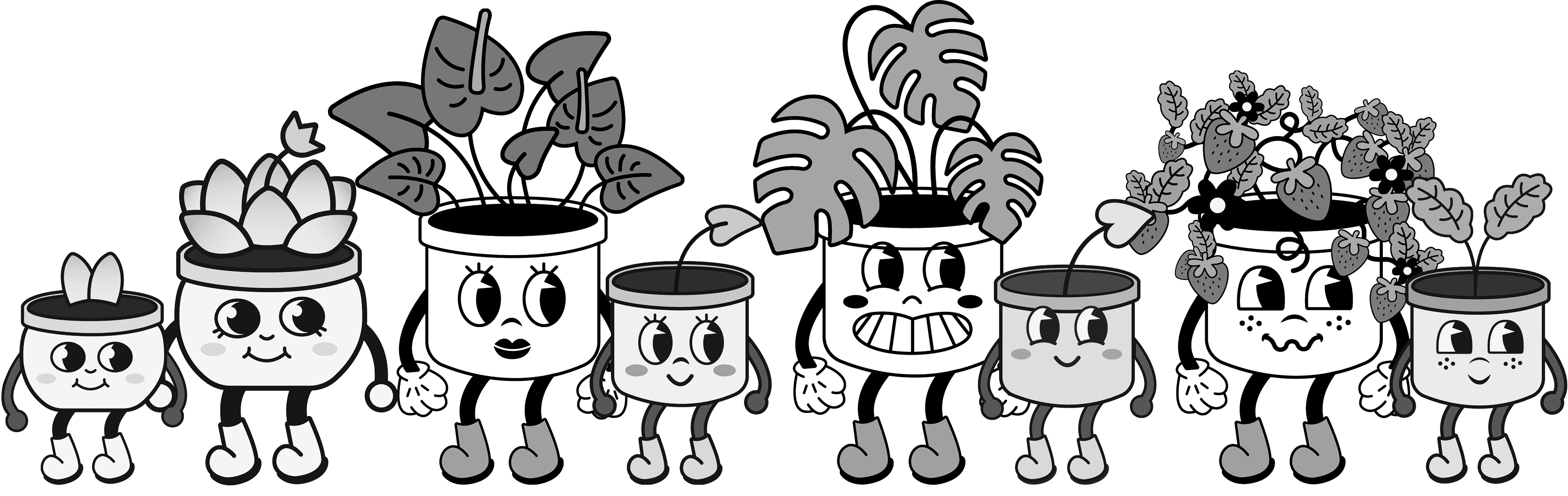
Based on insights from user testing, I recognized that plant illustrations and personification were essential for helping users quickly understand plant conditions. To strengthen this aspect of the experience, I collaborated with a motion designer to enhance the feature.
Structuring the System Through Research Insights
How did research insights shape the final structure?
MoSCoW Prioritization
To determine which features were essential for supporting beginner gardeners, we listed out features and prioritized these functionality using the MoSCoW framework.
Must Have
•
Animated plant characters to express plant needs intuitively
•
AI-powered plant scan for instant identification
•
Mood-responsive reminders adaptive to plant health and conditions
•
Reliable plant database for accurate guidance
Should Have
•
AR environment scan to assess light and placement
•
Detailed plant profiles with deeper care insights
•
Connected sensor stick for environmental and plant health sensing
•
Real-time monitoring of plant conditions
Could Have
•
Home screen widget for quick plant updates
•
Plant purchasing guidance
•
Plant recommendations
•
Social sharing
Won't Have
•
Local plant exchange
•
In-app plant store
•
User-generated tips guidance
•
Community Q&A forums
Information Architecture
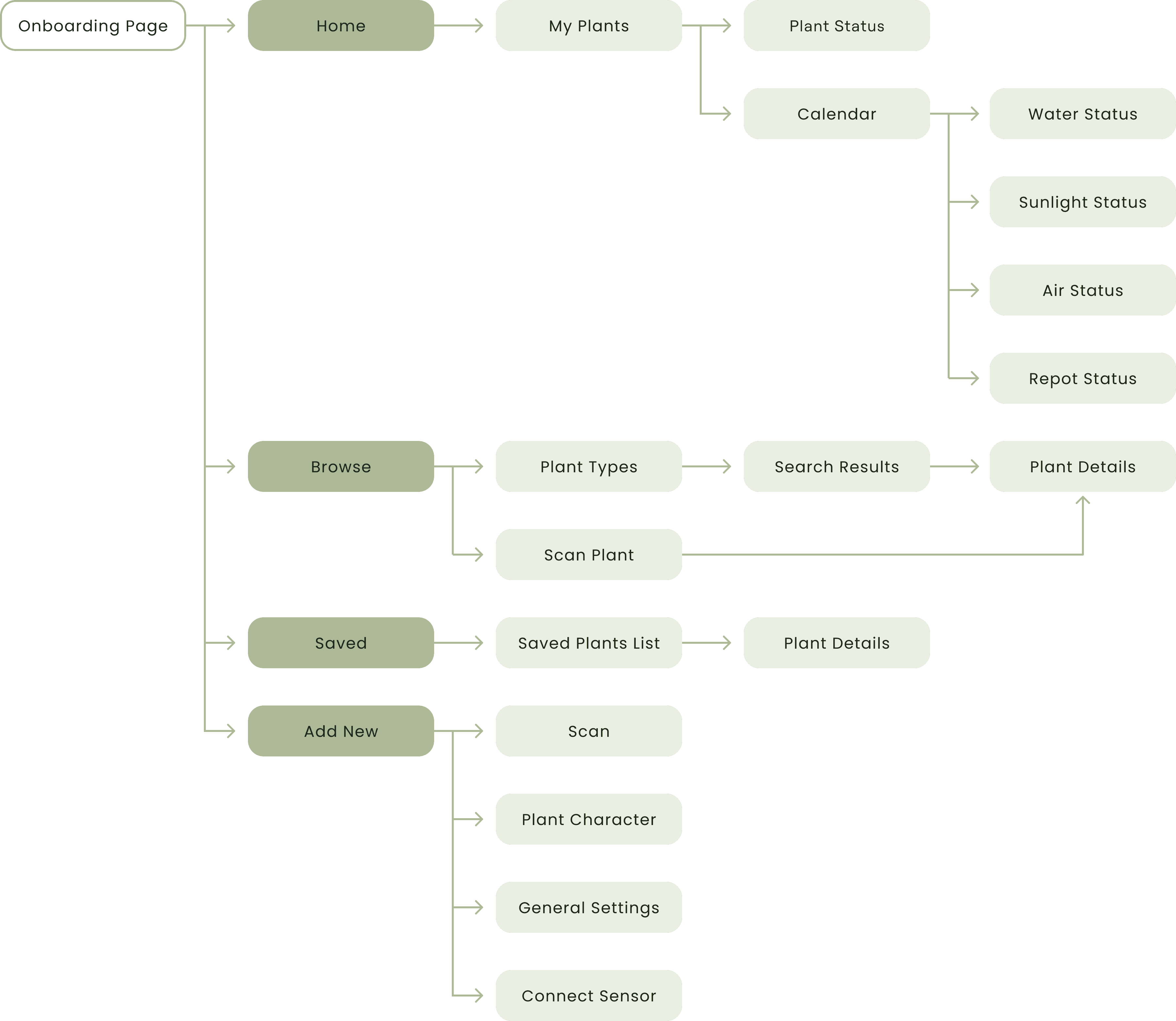
Based on these priorities, I structured the system architecture to support the most essential plant care interactions first.
Imagining the Connected Sensor Stick
What could the sensor stick look like?
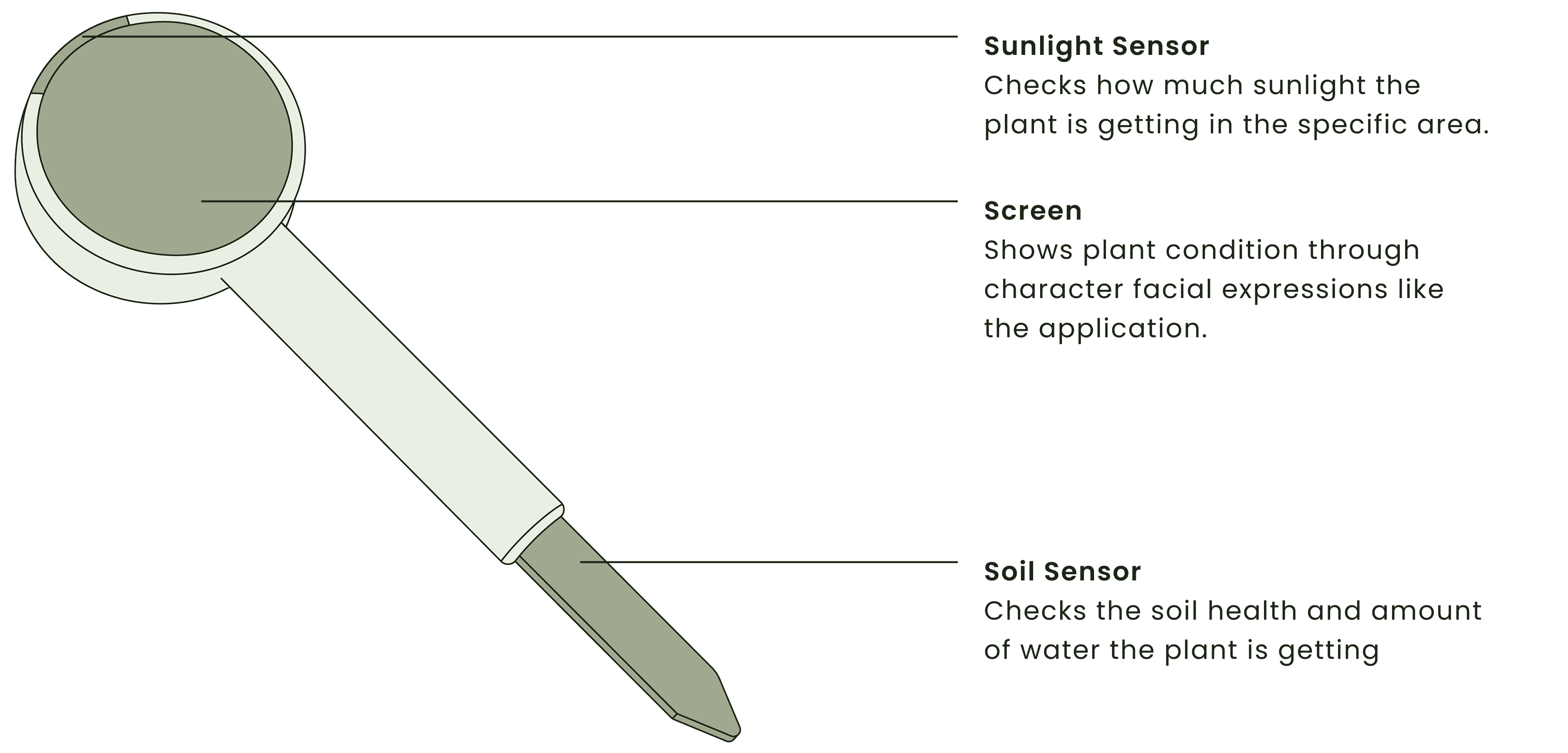
To support the connected system, I explored an early physical form for the sensor stick through quick sketches. While the interaction logic was defined within the app, the physical design remained conceptual, focusing on role, placement, and key components rather than final form details.
Final Outcome
What is Grow and how does it guide beginner gardeners?
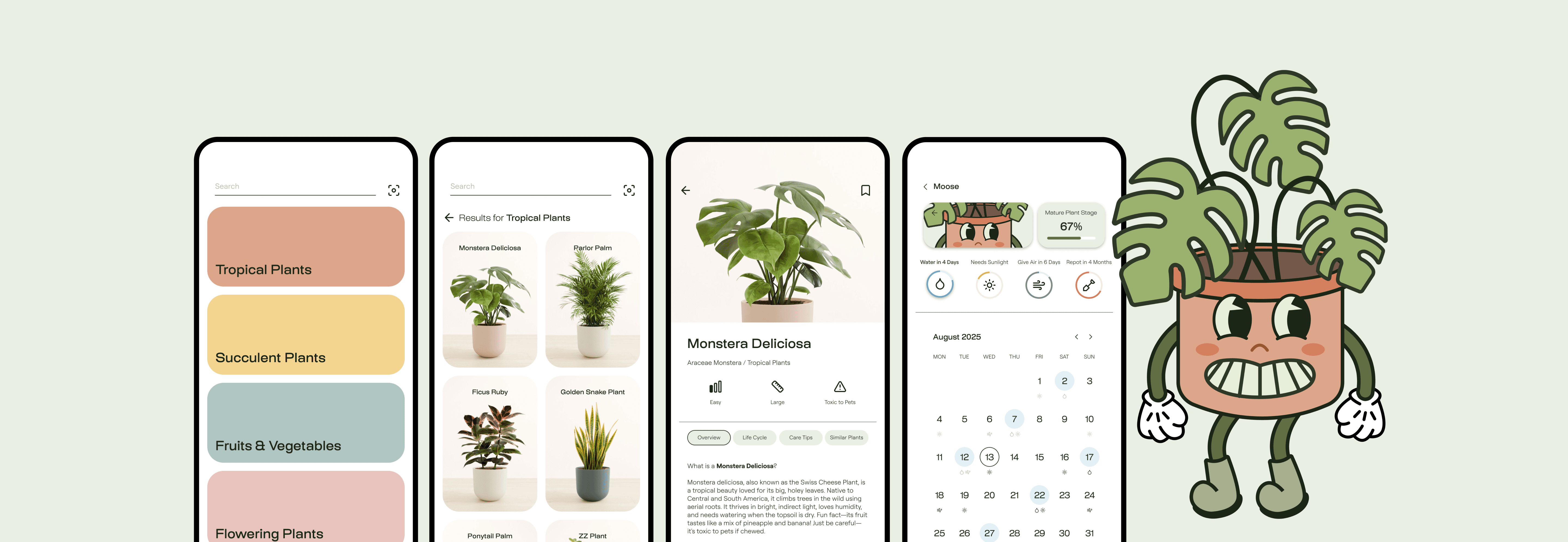
Grow is a plant care system designed to help beginner gardeners understand and care for their plants with confidence. The application combines animated plant characters, AI-powered plant scanning, and personalized reminders to guide users through everyday plant care. Together, these features create a more intuitive and engaging experience that makes plant care simple and enjoyable.
Browse Plants
Discover New Plants
Easily lists plants by category or name for users to browse and discover new ones, and allows users to search for an existing plant in real life using photo scan and add it to their saved plant collection.
Plant Information
Learn with Accuracy
Quickly shows plant care level, size, and warnings at a glance, and provides detailed information about the plant—including a general overview, life cycle, quick care tips, and similar plants—so users can decide whether they want the plant.
Add New Plant
Connect with Your Plants
Conveniently scans the plant in its positioned area to identify the exact species and life stage, estimate the available sunlight, and allow users to name their plant and connect it to a sensor stick that monitors real-time sunlight, soil health, and wind conditions.
My Plants
Get Plant-Specific Care Guidance
Effortlessly guides users to provide water, sunlight, airflow, and fresh soil as needed, and includes a calendar view that shows the users in advance when each type of care is required for each plant.
My Plants
Understand Plant Conditions
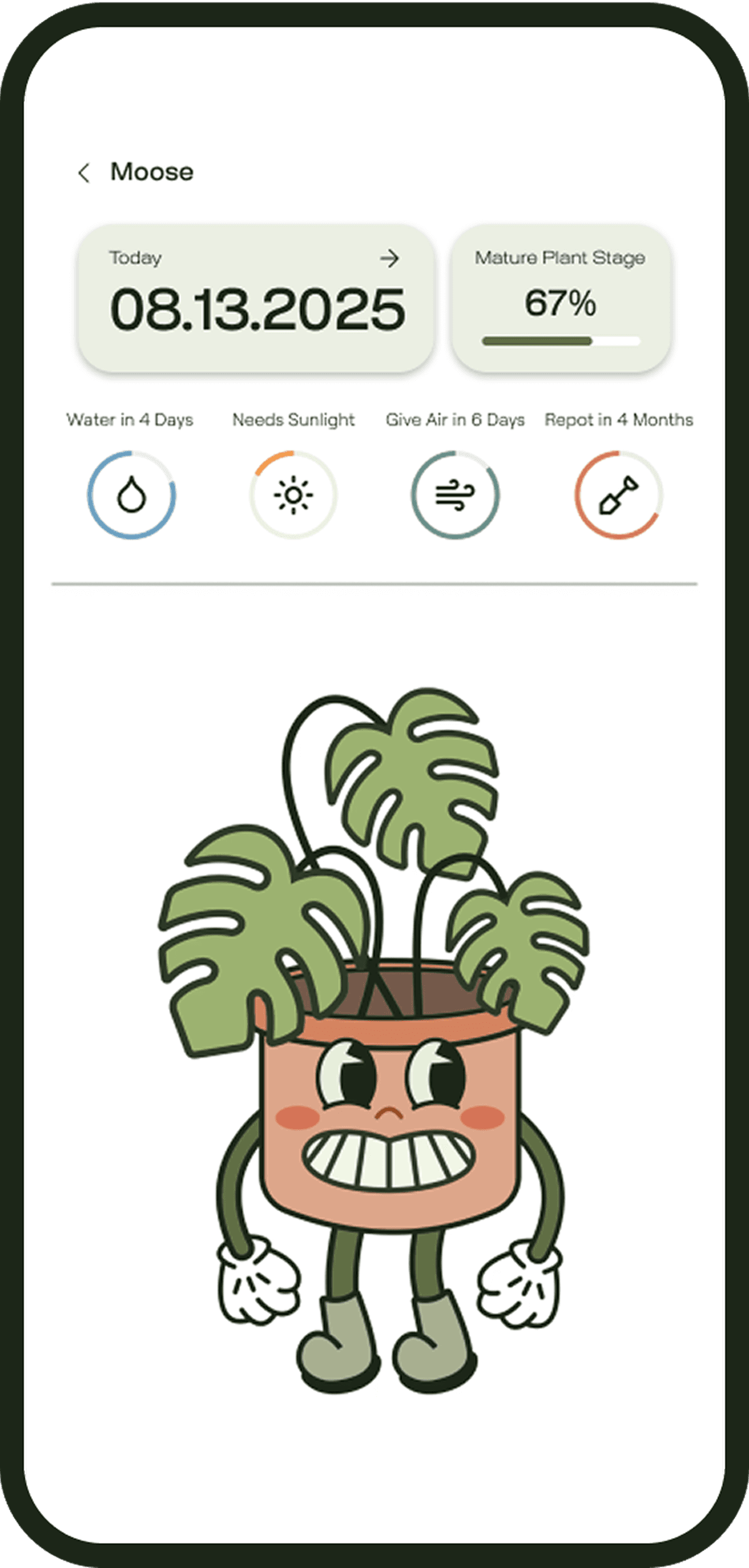
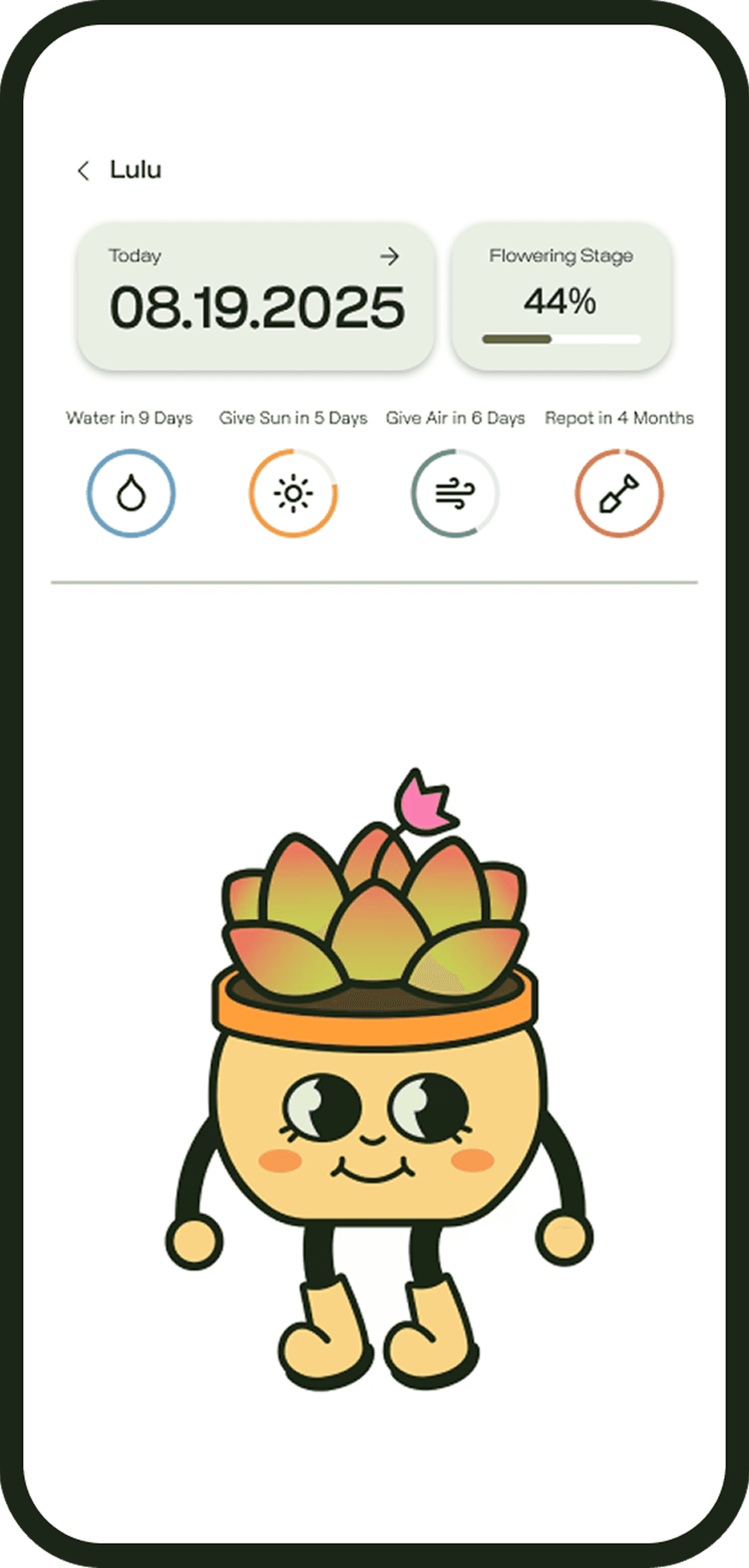
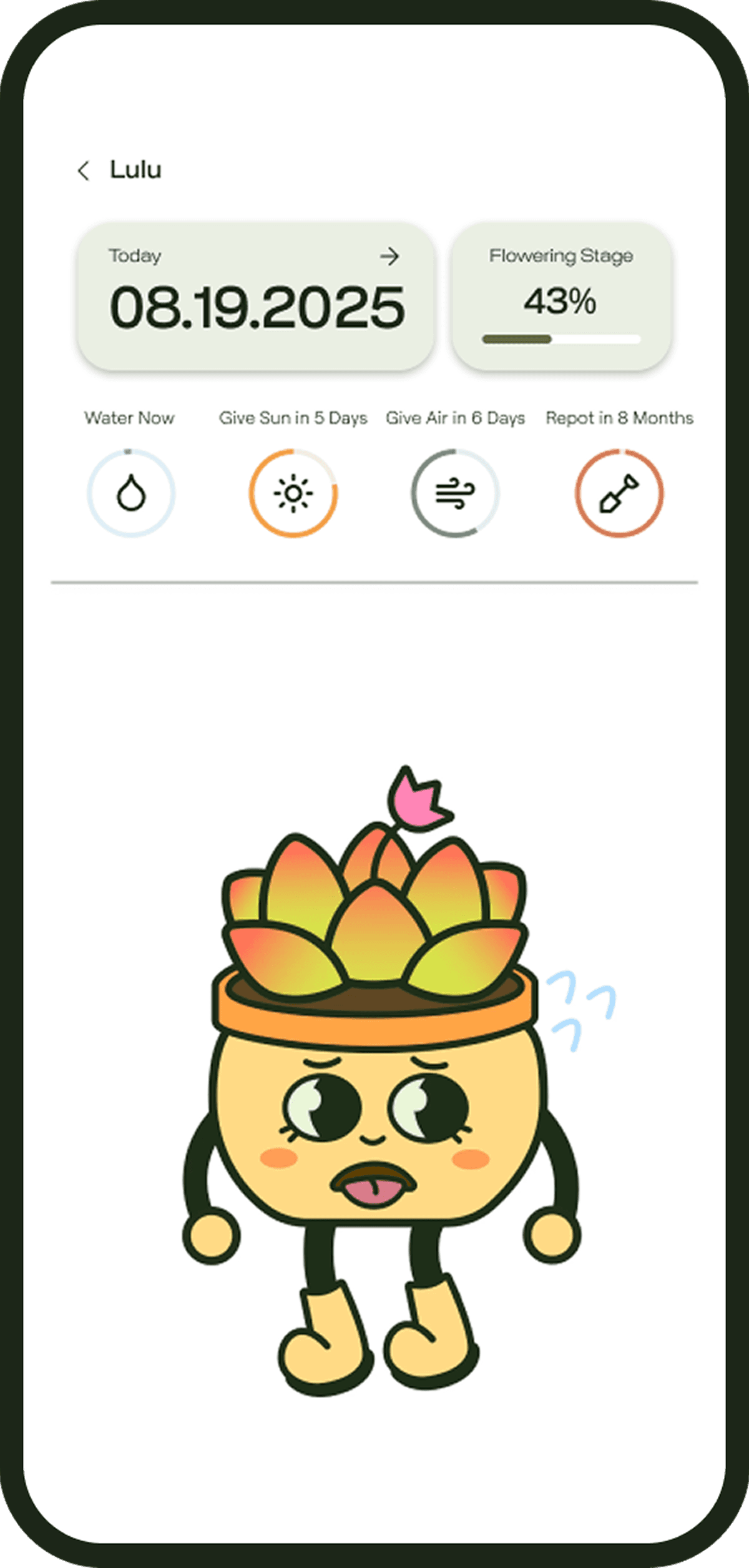
Visually represents the plant’s condition with animated characters, helping users understand the plant’s needs and provide the right care.
Design System
How does the design system communicate plant health in a clear and playful way?
Typography


Color
#EAEFE3
#ADB997
#606E45
#FFFFFF
#B9BCB1
#1C2618
#AFCEE1
#F3D590
#AFC6C2
#DDA68B
#E9C4BF
#B89B8E
Character Design
Monsterra


Cactus

Project Takeaways
What insights emerged from designing a playful plant care system?
This project highlighted the importance of designing plant care experiences that are both intuitive and emerging for beginners. By combining real-time data, visual feedback, and a playful design system, we simplified play care while helping users better understand their plants' needs. In future iterations, I would continue refining the interface to create an even more seamless and expressive way to communicate plant health.