Redesigning the Automotive Cabin Experience for Porsche’s Electric SUV
How might Porsche evolve the driving experience into a living experience?
In the autonomous era, the vehicle cabin is no longer just a cockpit—it is becoming a living space. As driving fades into the background, comfort, safety, and emotional well-being take center stage. This project envisions a future Porsche SUV that extends the brand’s spirit of performance into intelligent, human-centered experiences—where the car not only moves people but also supports, protects, and revitalizes them throughout their journey.
Understanding the Shift in Luxury Mobility
Why does this matter for Porsche today?
Luxury mobility is being redefined. As families spend more time inside vehicles that double as lounges, offices, or wellness spaces, expectations are shifting from mechanical performance to adaptive intelligence.
While Porsche leads in craftsmanship and driving precision, it has yet to fully embrace real-time responsiveness and well-being integration. Our research explores how Porsche can evolve its strategy—merging iconic performance with next-generation intelligence to create an emotionally attuned, health-aware cabin experience for modern families.
Positioning Porsche in the Intelligent EV Era
What strategic shifts position Porsche for success in the intelligent EV market?
SUV Dominance as Porsche’s EV Growth Lever
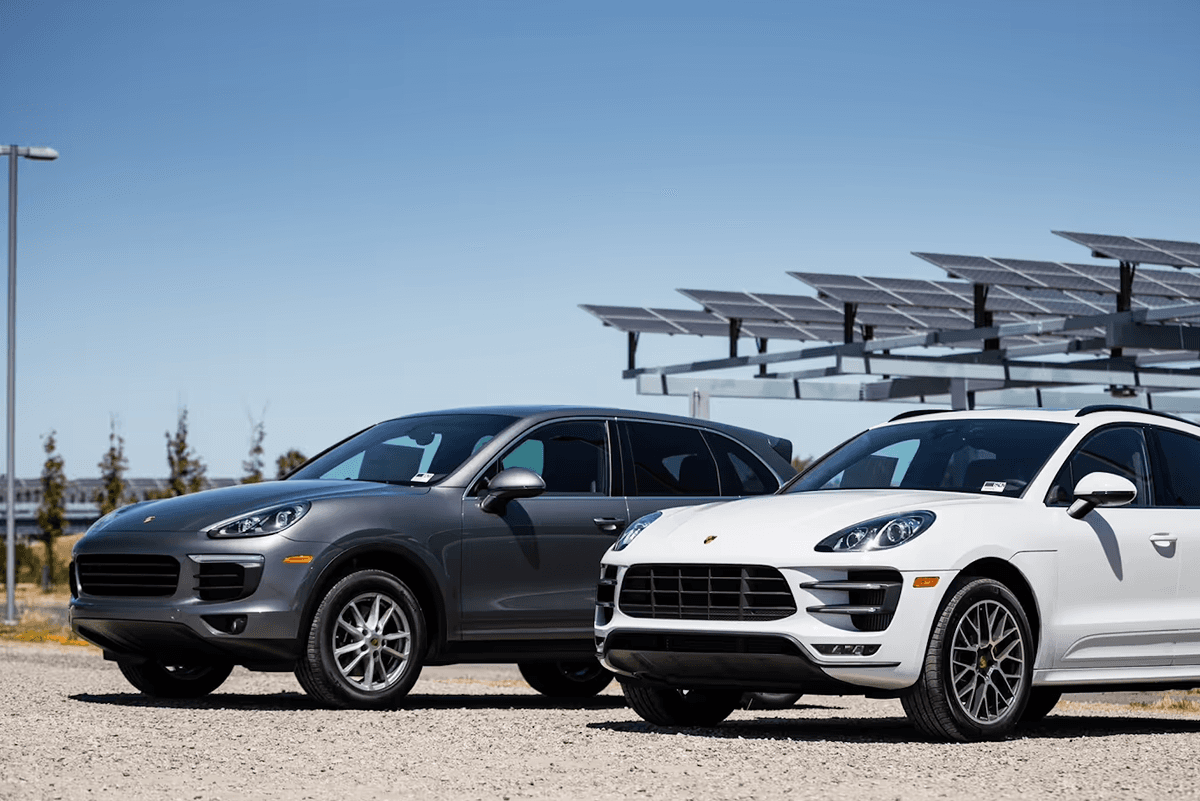
Cayenne and Macan SUVs made up 59% of Porsche’s global sales in 2022. Porsche is expanding this success by electrifying its SUV line—Macan EV, Cayenne EV, and a 3-row flagship SUV—targeting the affluent family EV market.
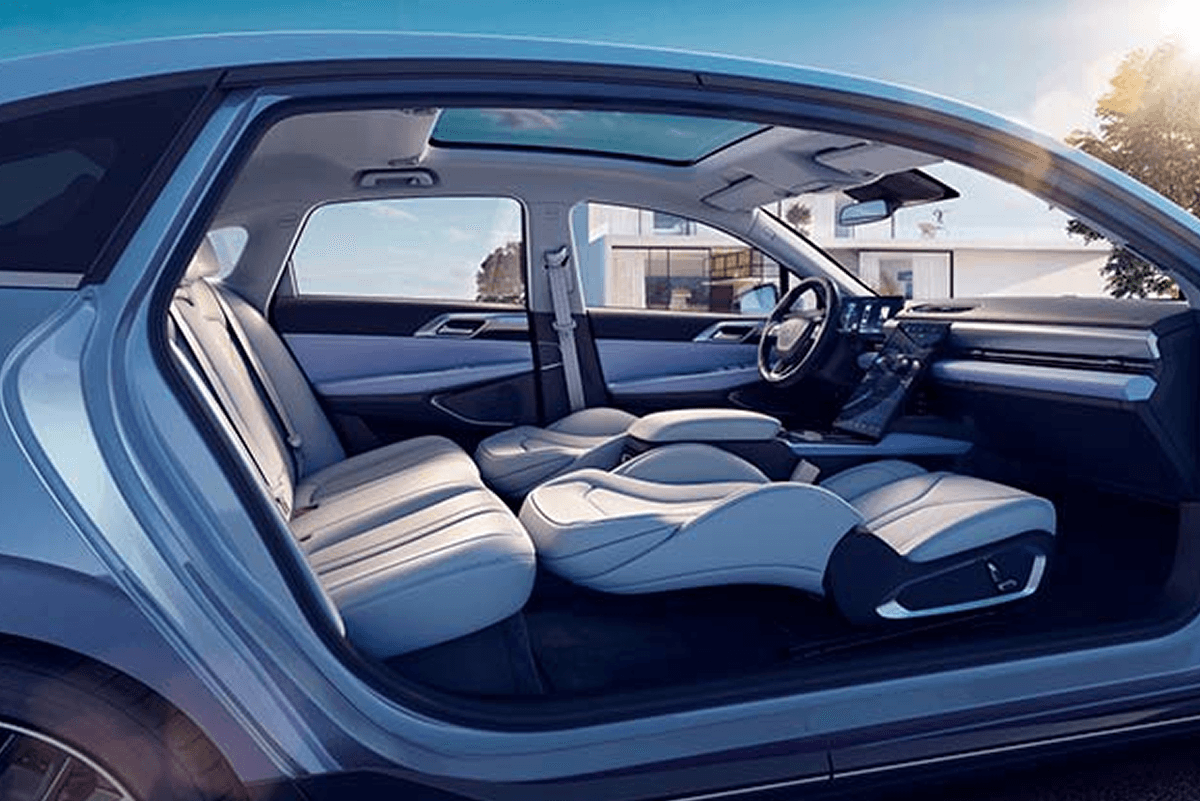
Porsche’s in-car experience lags behind Tesla, NIO, and XPeng in AI, personalization, and connectivity. This contributed to a 19% YoY sales drop in China, as buyers prioritize smart features over brand legacy.
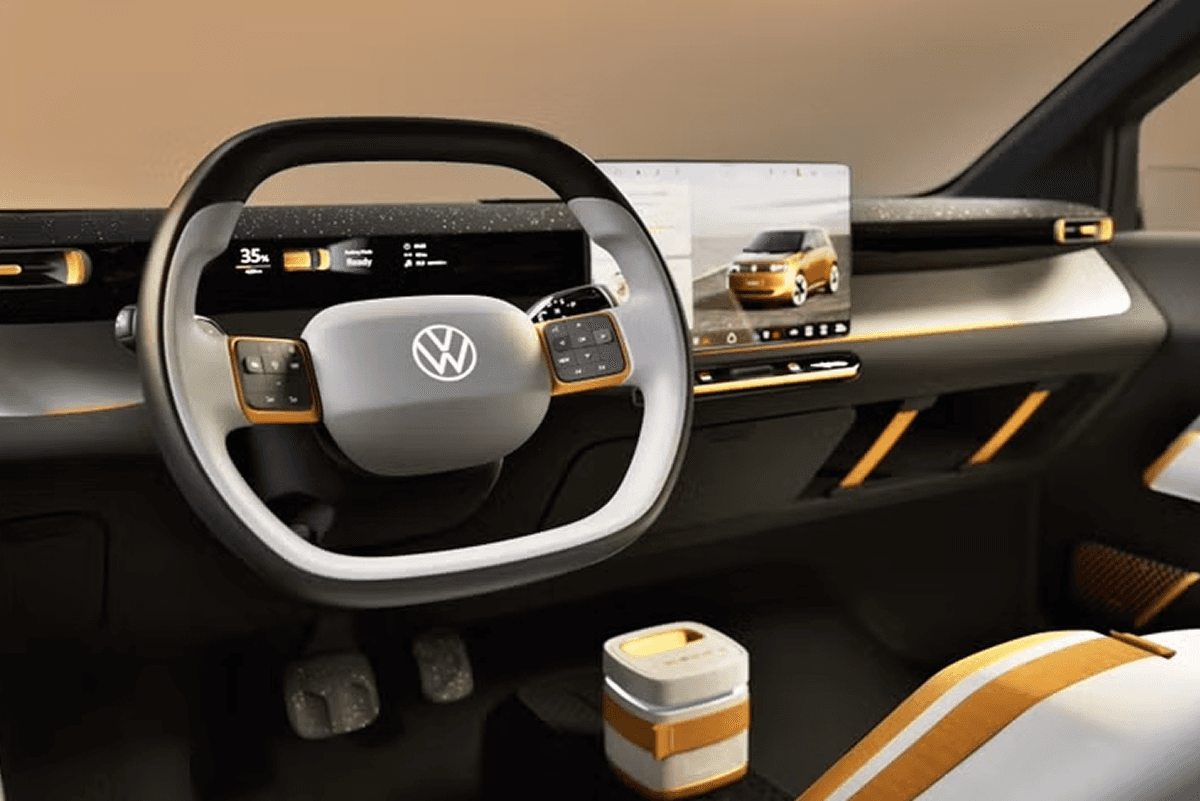
To close the innovation gap, VW is partnering with Rivian ($5B JV) and XPeng ($700M stake) to co-develop next-gen EV platforms and intelligent cabin tech—accelerating Porsche’s push toward software-defined vehicles.
Evaluating Today’s Electric SUV Interfaces
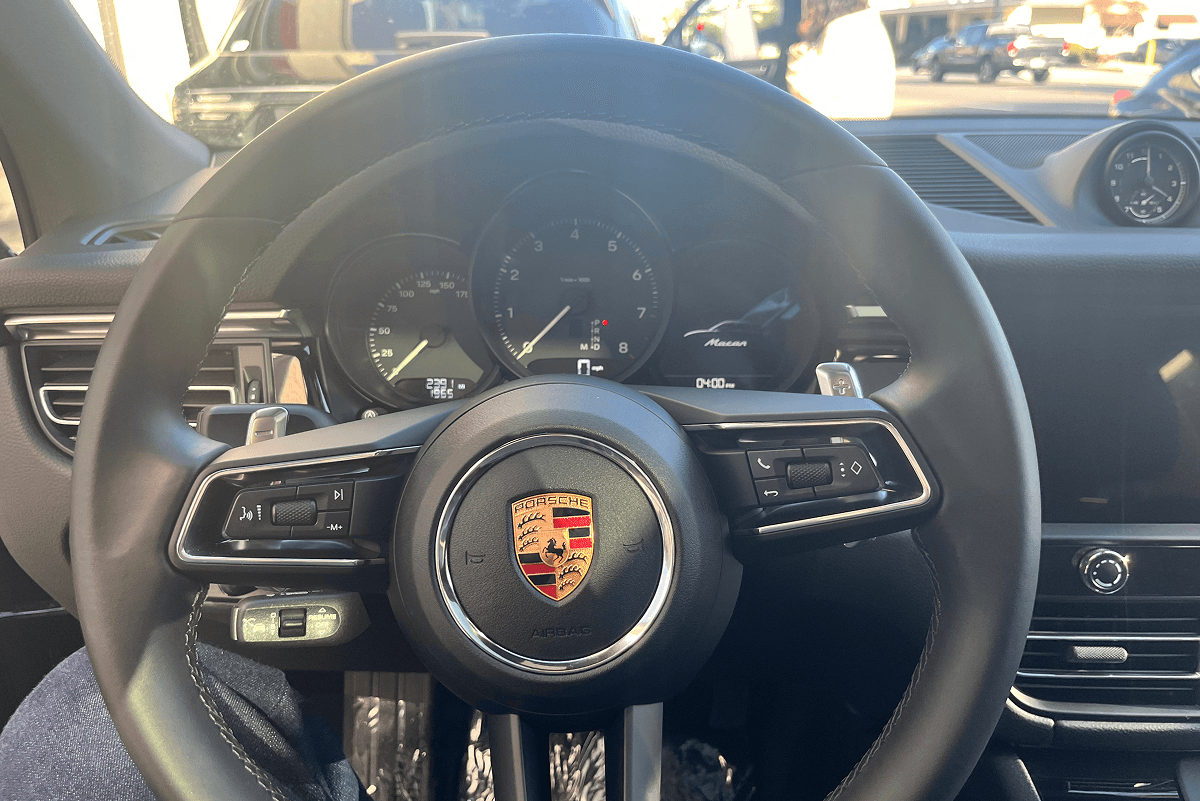
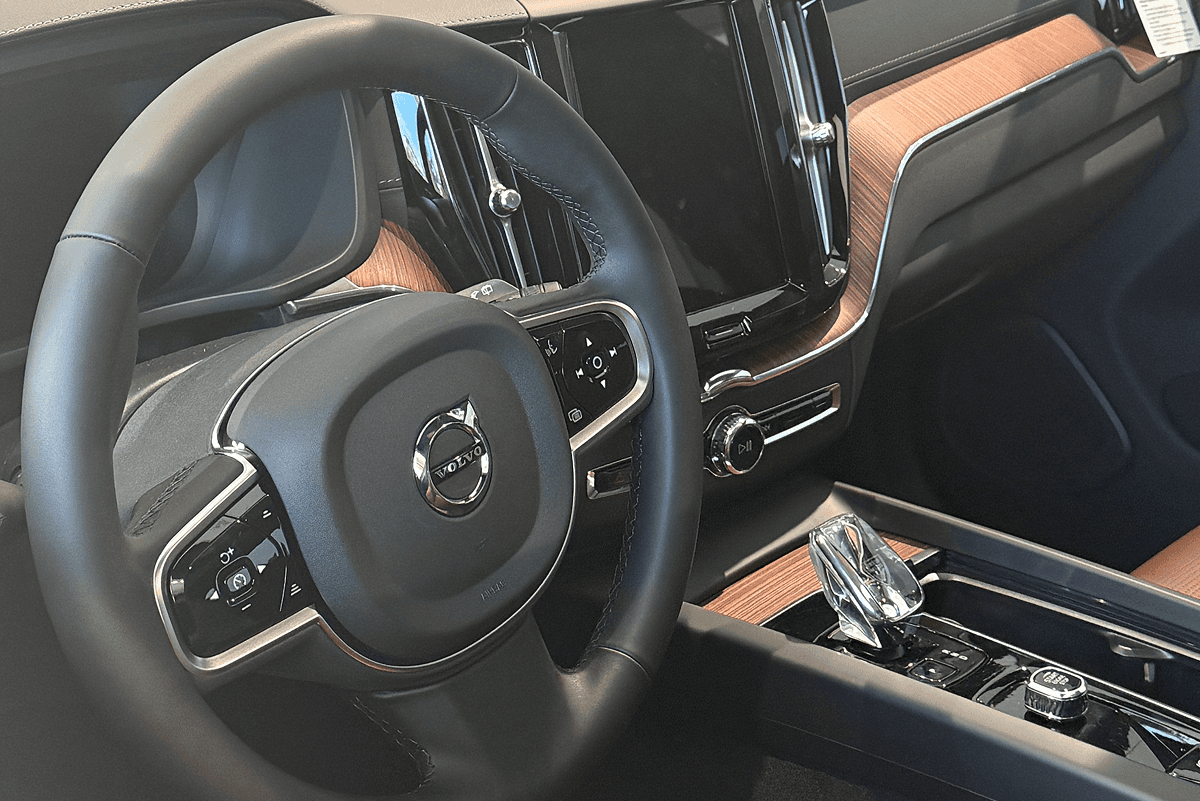
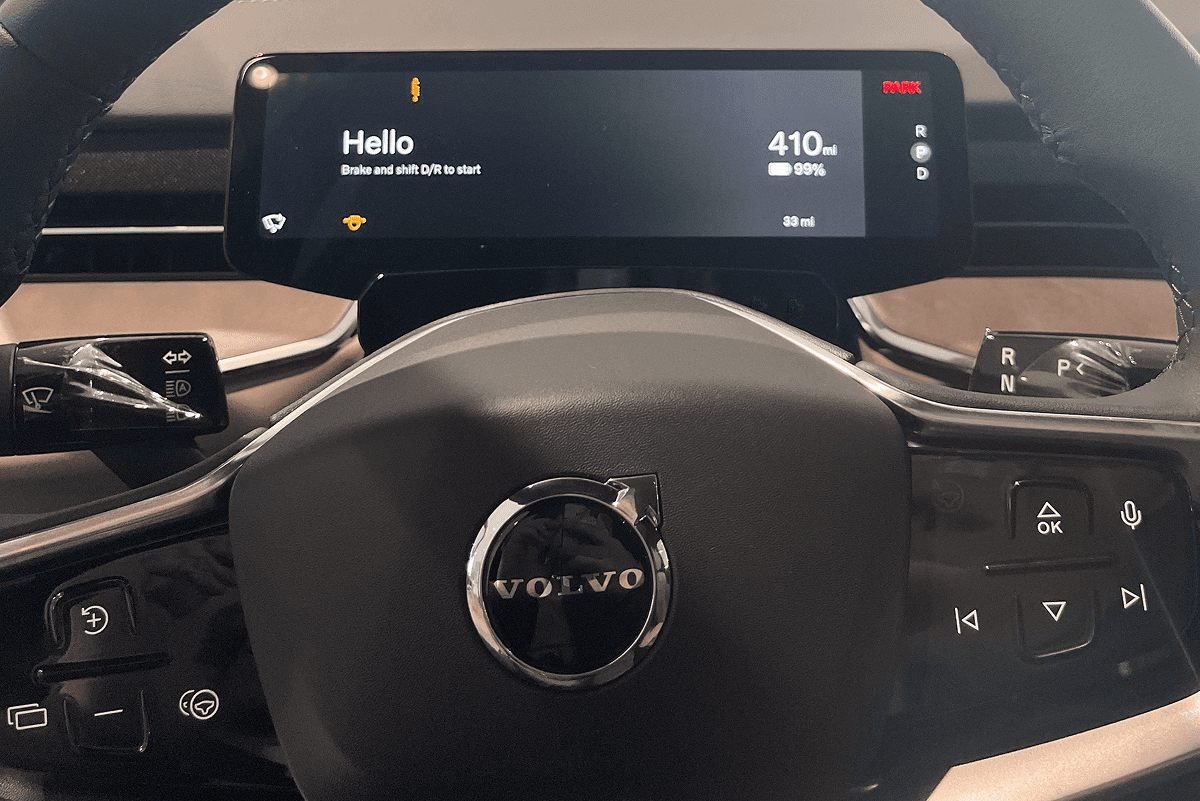
What are the current electric SUV dashboard controls like?
As part of our research, we visited various electric SUV dealerships to examine dashboard controls in detail, exploring how both digital interfaces and physical controls are designed for drivers and passengers.
Defining a Bio-Aware Luxury Cabin for L3 Driving?
What would a Porsche cabin look like when it can sense and respond to its occupants?
Our goal was to design a bio-aware Porsche cabin that supports families during Level 3 autonomous driving by adapting to their emotional and physical state in real time. By combining transparent vehicle intelligence with adaptive digital and tactile controls, the experience enhances safety, trust, and personalized comfort.
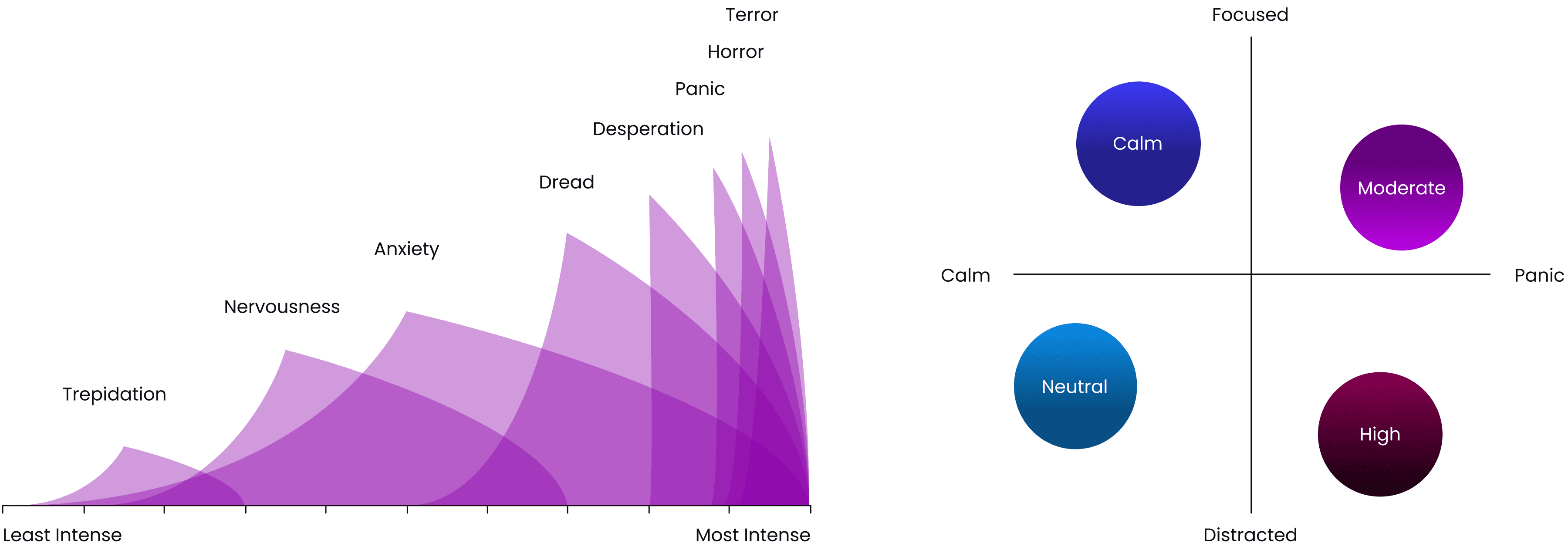
Translating Emotion into Interface Feedback
How did we visualize emotion states within the cabin?
As part of our research, we visited various electric SUV dealerships to examine dashboard controls in detail, exploring how both digital interfaces and physical controls are designed for drivers and passengers.
Designing a Multi-Screen Interaction System
How did we distribute features across multiple screens?
Before designing the interfaces, we started by mapping out how many screens would be needed across the system and determined their placement within the frame.
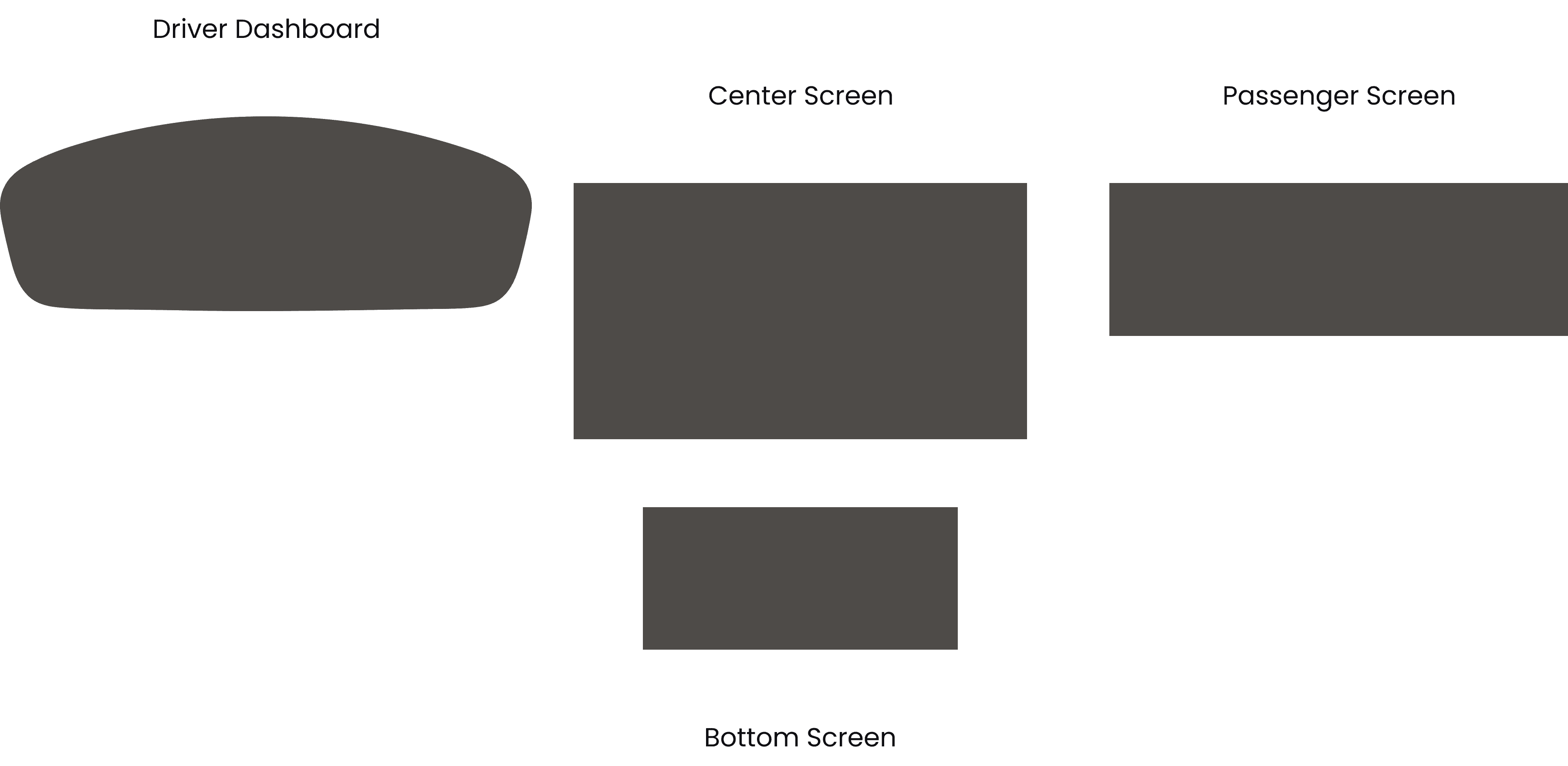
We then made a list of features and organized them into a chart to map which features belonged on each display.
Driver Dashboard
Manual Driving Gauge
ADAS Screen
Center Screen
Car Control
Navigation
Climate Control
Physical Climate Controls
Bottom Screen
Seat Control
Emotion Monitor
Health Data
Physical HVAC Controls
Passenger Screen
Entertainment
Passenger Navigation
Validating the Multi-Screen Experience
How did we test the usability of the screens?
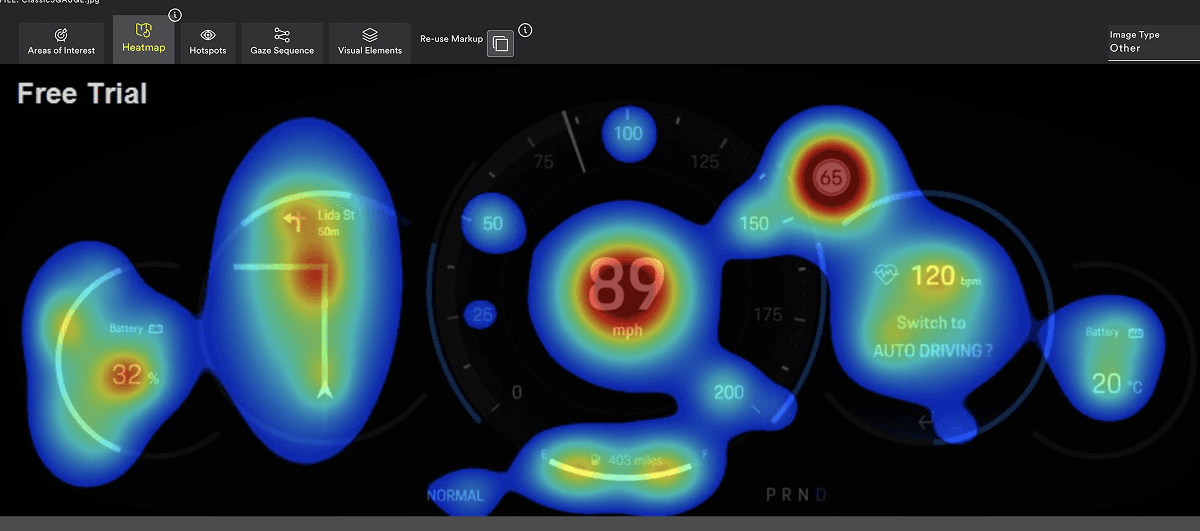
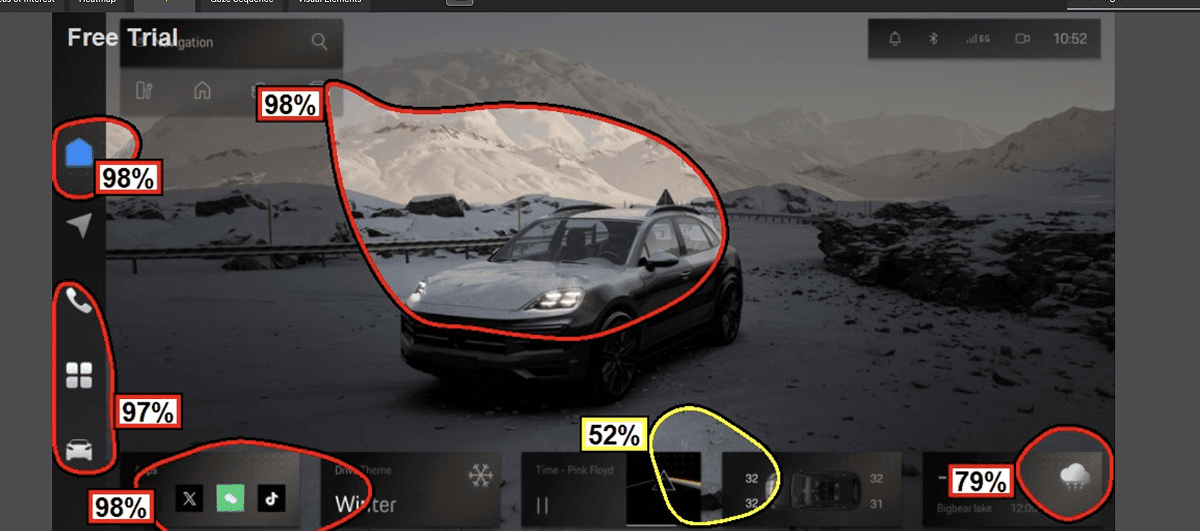
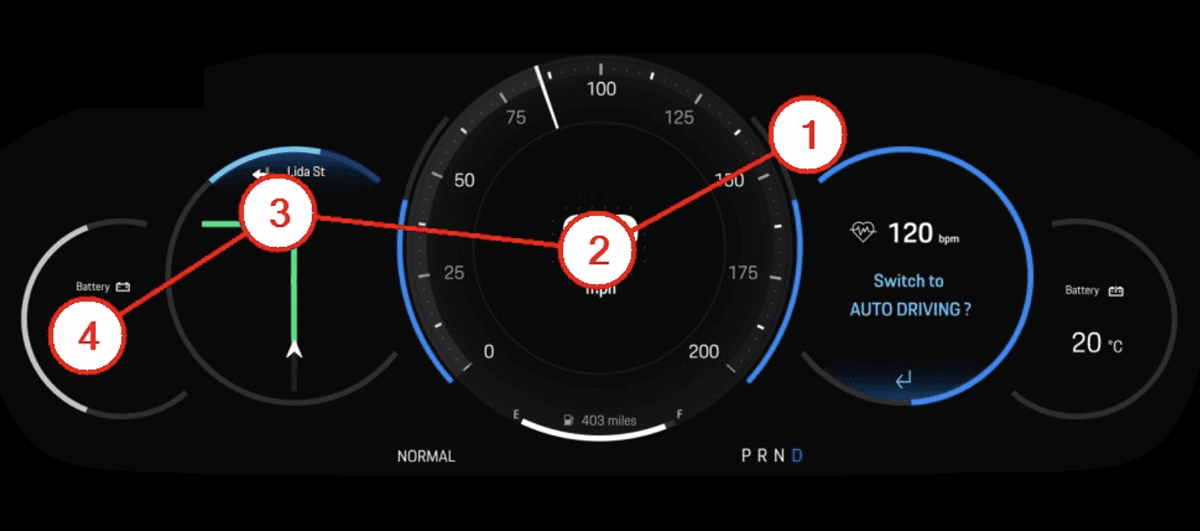
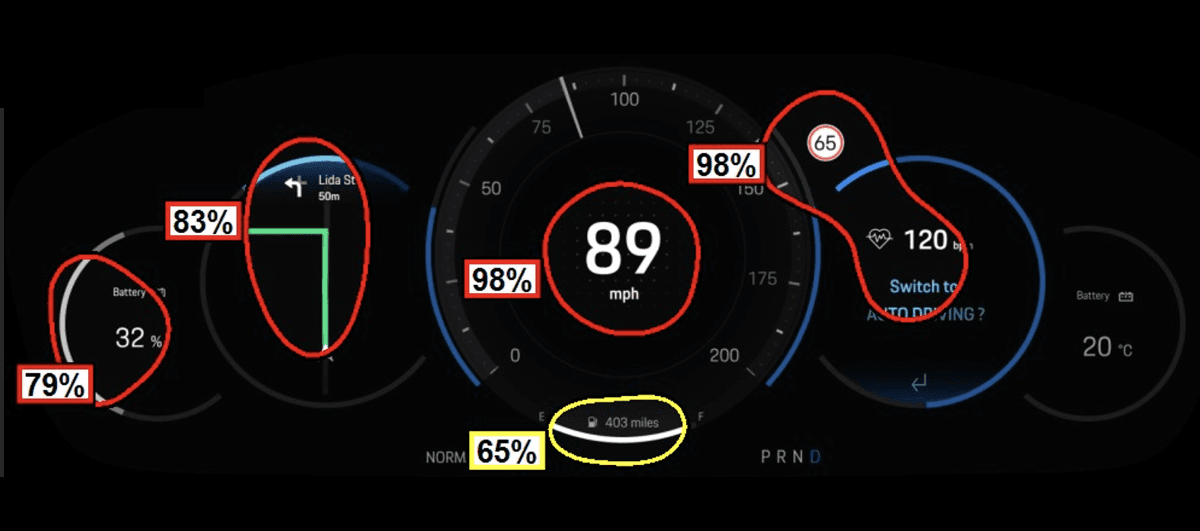
We quickly tested out the usability of our screens through eye-tracking and click-heat mapping to observe how users visually and physically interact with the key interface elements. With these findings, we were able to further refine the user interface and information architecture.
Bringing the Cabin Concept to Life
How did we bring the concept to physical form?
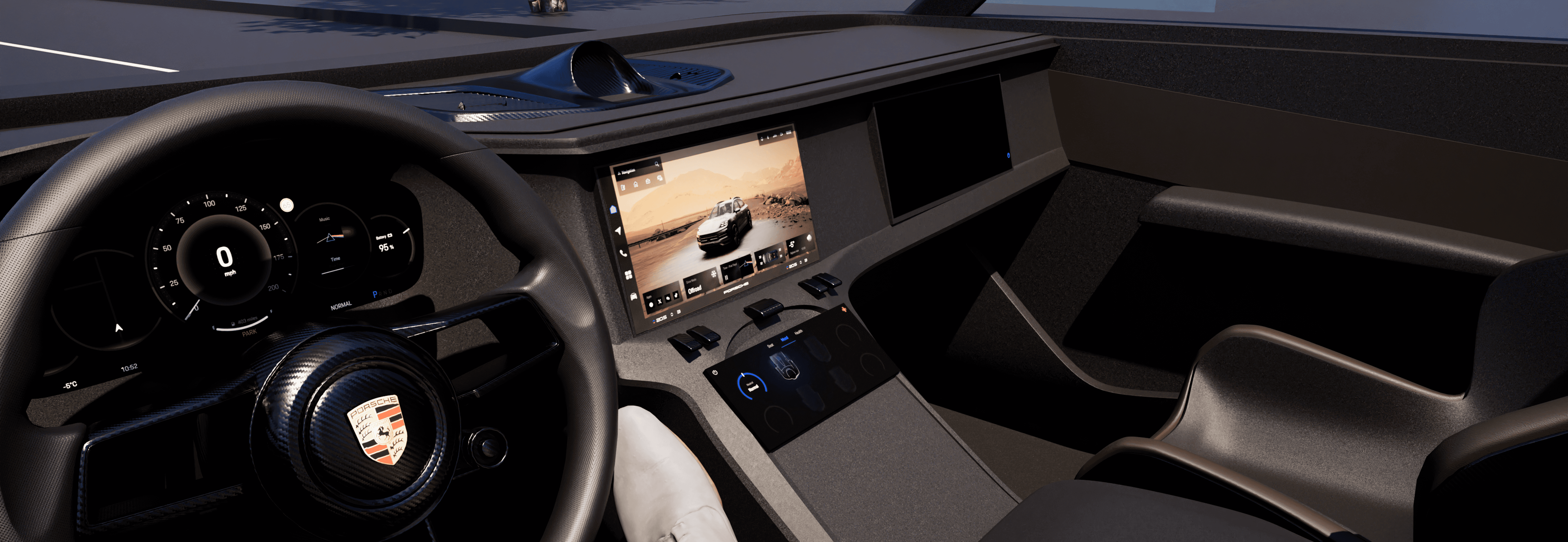
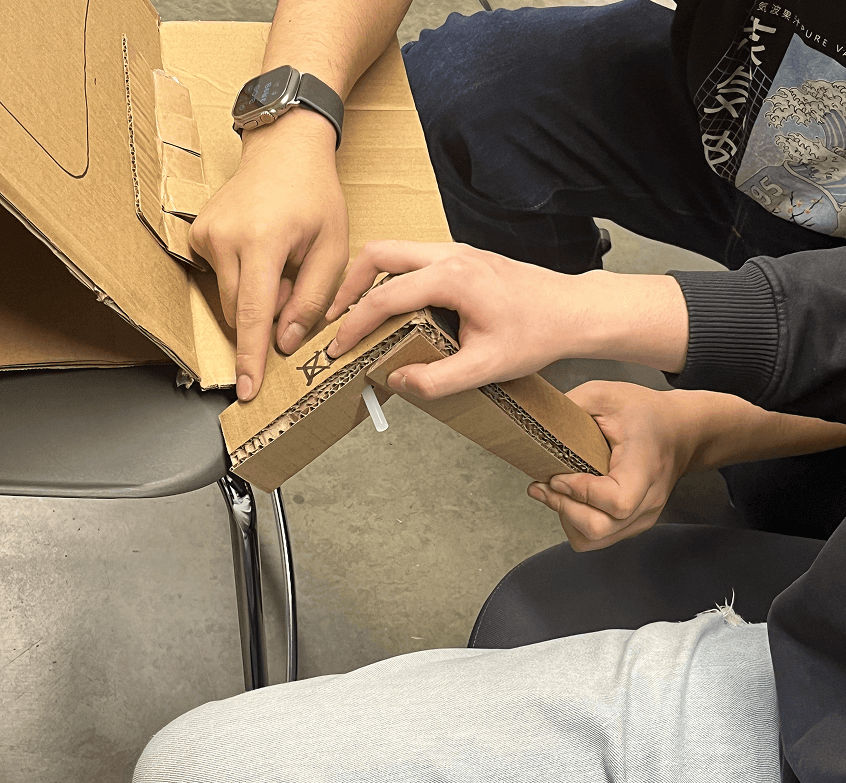
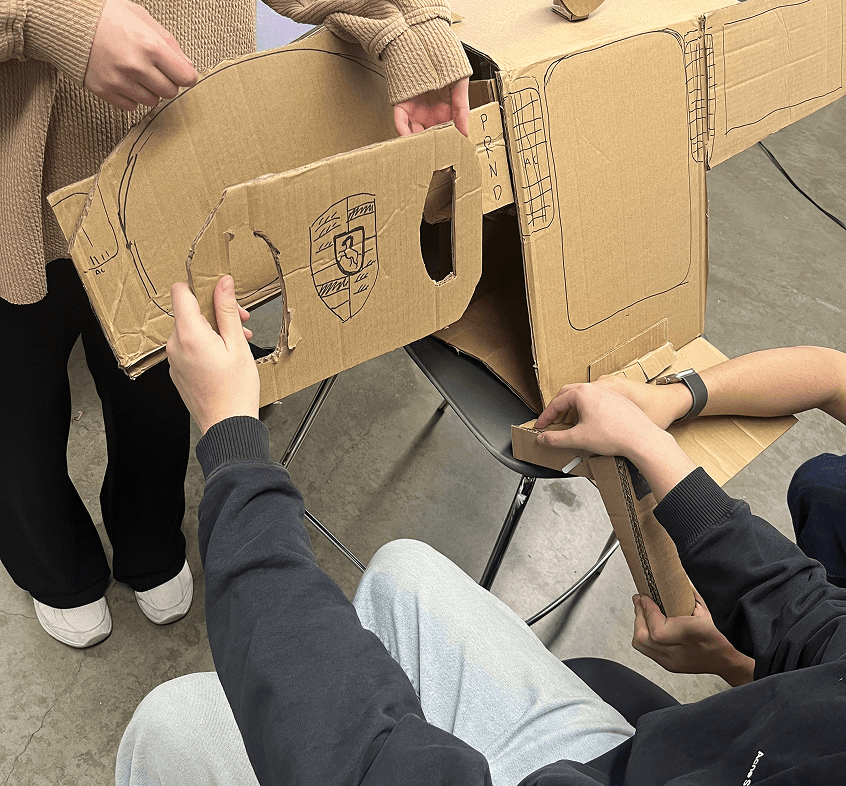
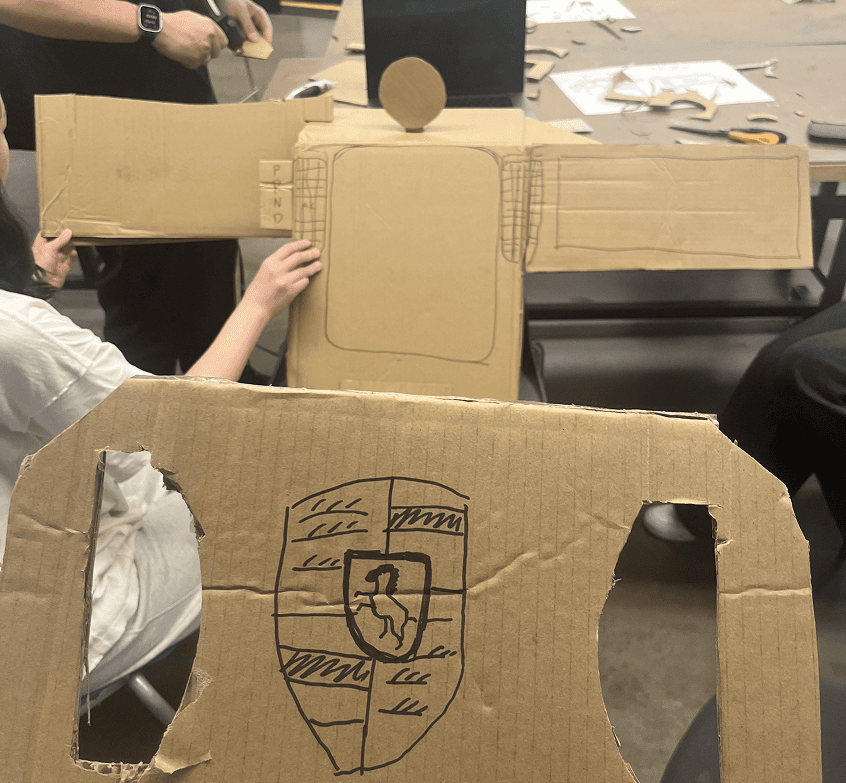
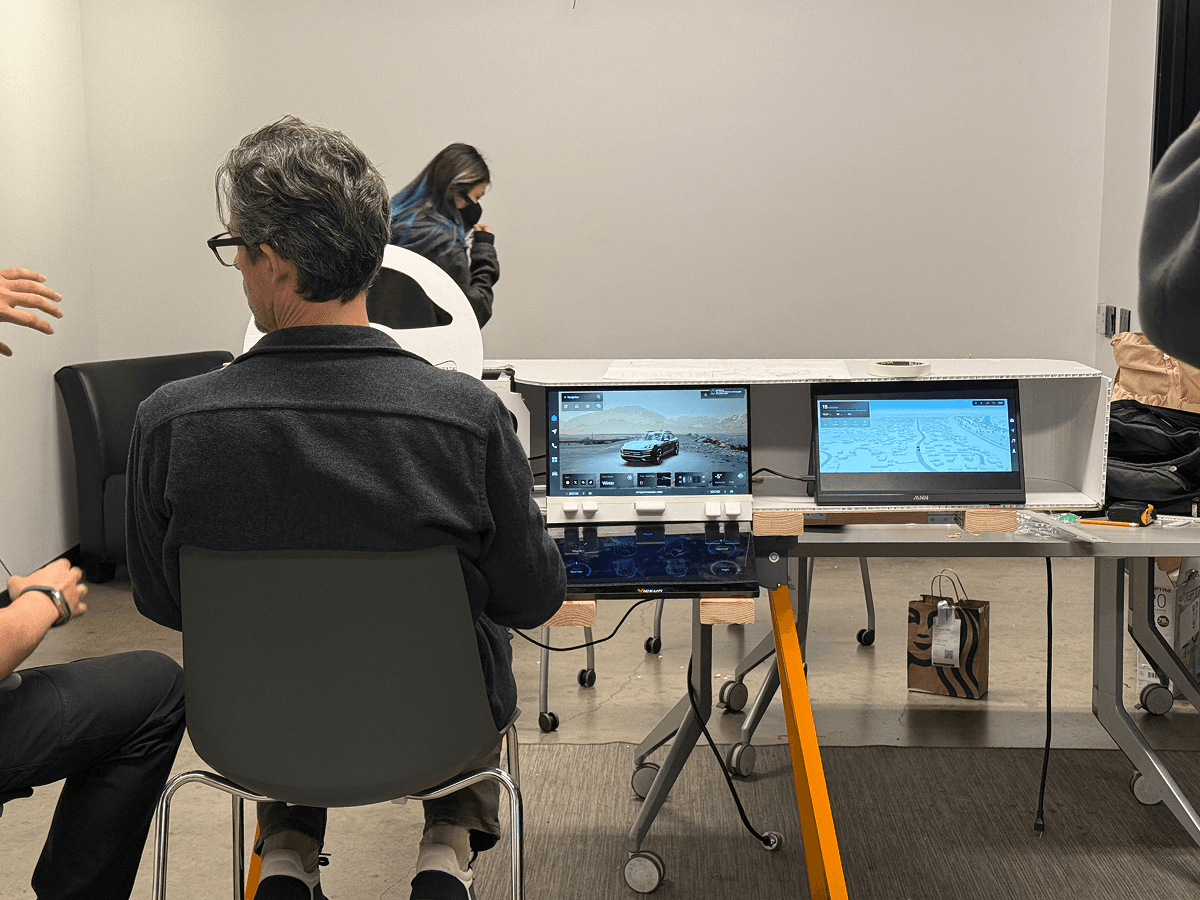
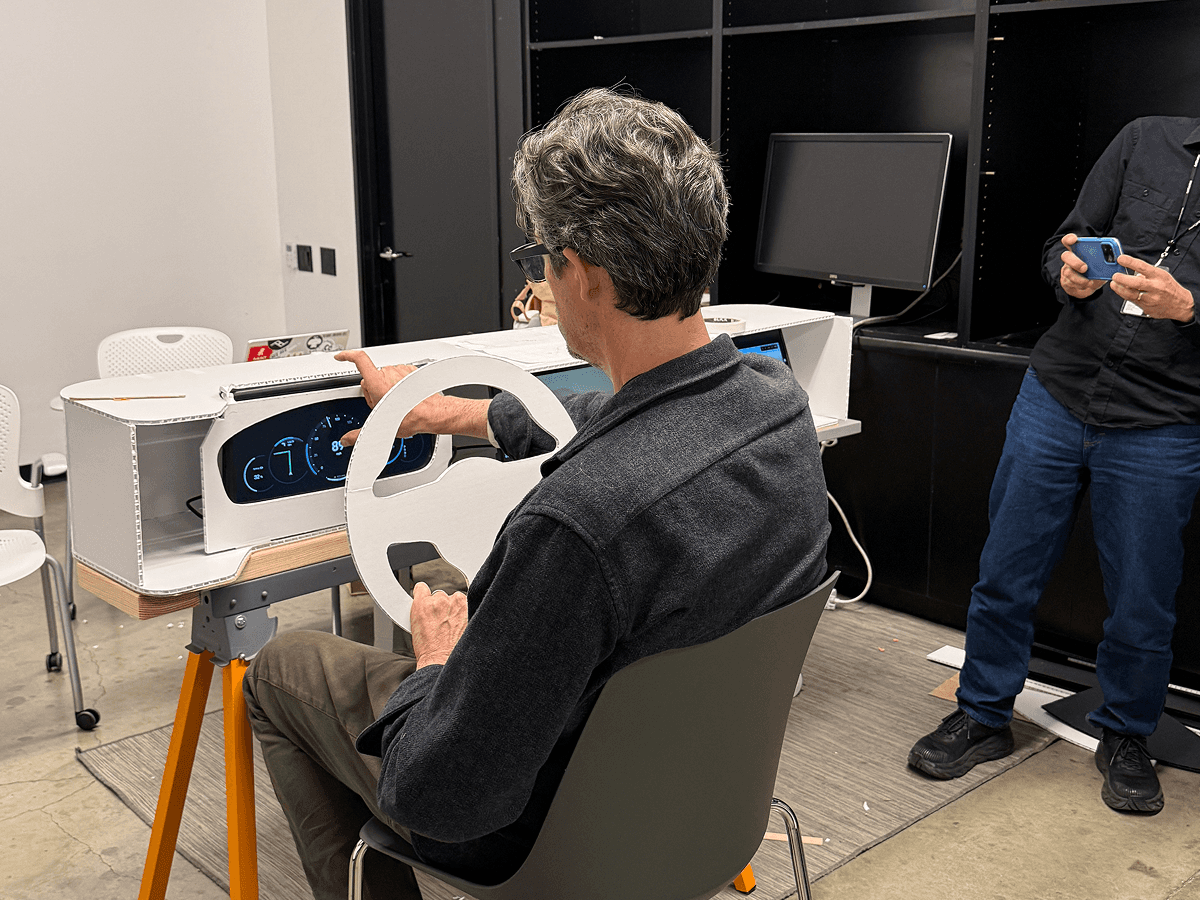
With the research and concept, we began by building out a full-scale cabin to visualize the placement of physical controls alongside digital screens. This allowed us to identify key design areas and ensure each feature was positioned for usability and experience.
Final Outcome
What is the Bio-Aware Porsche Cabin and how does it work as an adaptive system?
This project envisions a bio-aware Porsche cabin that adapts to occupants during Level 3 autonomous driving. The following features and prototype demonstrate how emotional sensing, health monitoring, and adaptive interfaces work together to create a safer, more trusted, and personalized luxury family experience.
Feature 1
Mental State Monitoring & Emotion Sensing
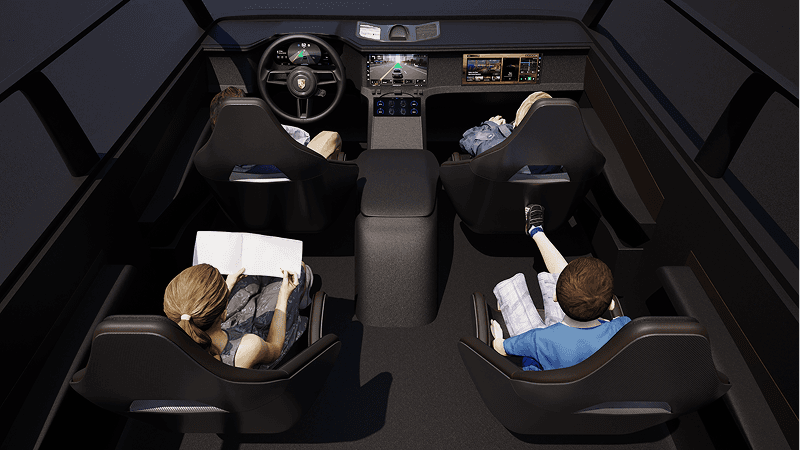
Detects mood changes in both the driver and passengers using in-cabin cameras and biometric seat sensors, allowing it to address emotional stress in real time. Designed to proactively respond, it enhances safety, comfort, and trust throughout the in-car experience.
01
Family Leaves for Trip
Family of four heads out for a ski trip: dad is driving, mom is in the passenger seat, and their two kids are seated in the back.
Feature 2
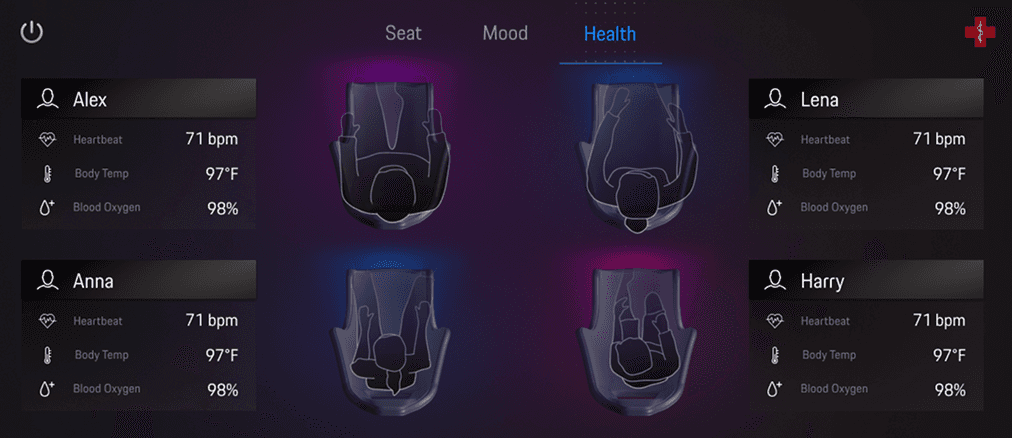
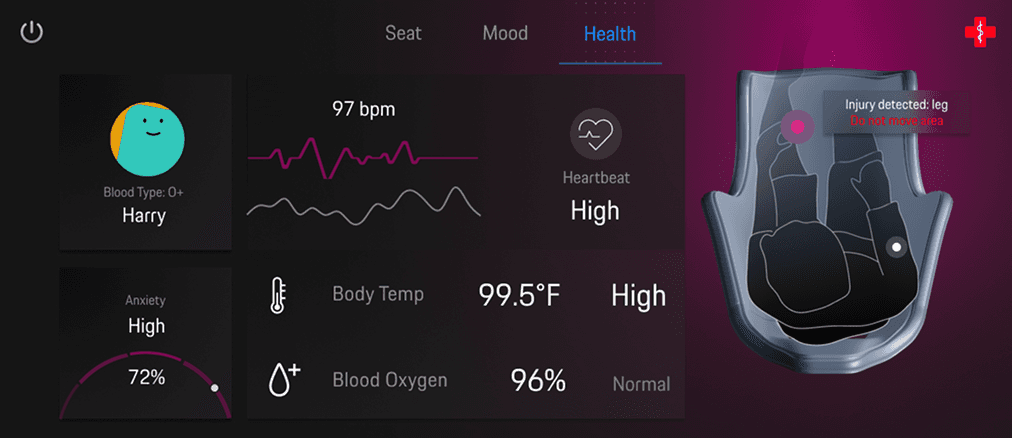
Health Mode & Emergency Respond
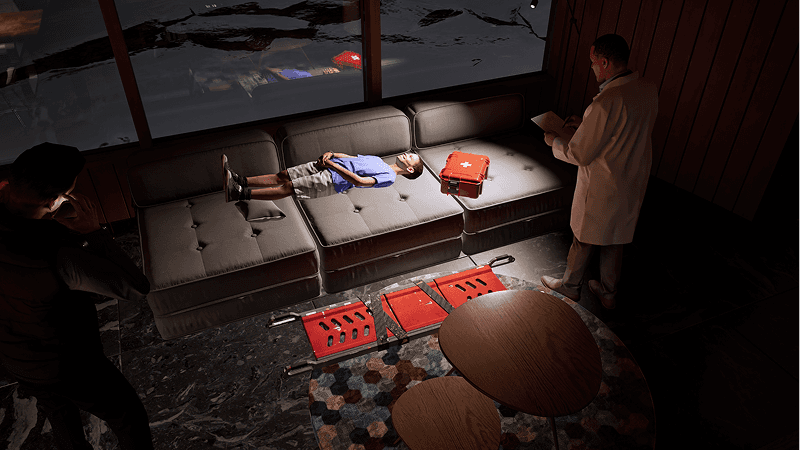
Monitors health data such as BPM, blood oxygen, and body temperature for the driver and all passengers. In case of an emergency, the cabin will respond immediately by navigating to the nearest hospital, connecting with a remote doctor for first-aid advice, and sharing real-time health data with the corresponding hospital.
01
Kid Gets Injured
During a snowstorm, the kid fractures a bone and requires immediate emergency care, so the dad calls 911 for an ambulance.
Physical Prototype
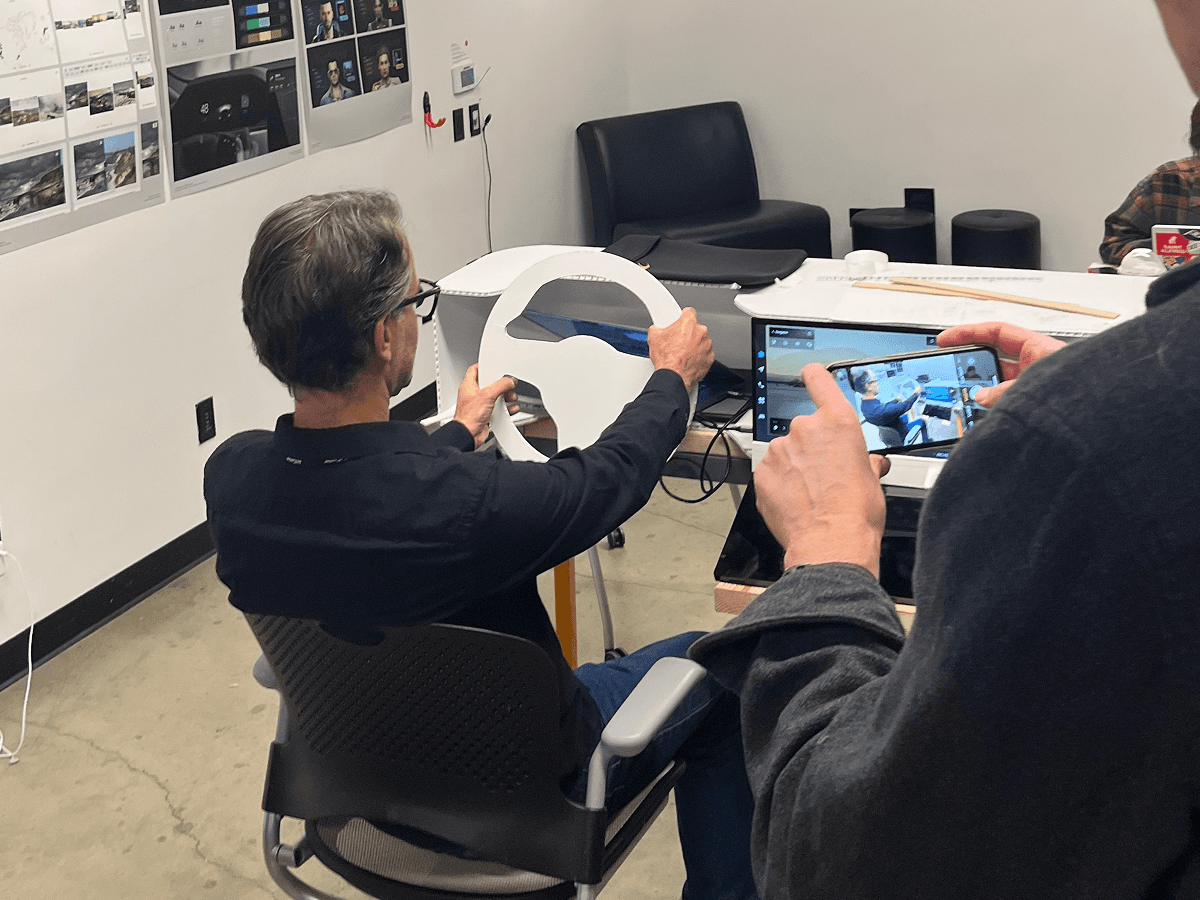
Interactive Full-Scale Cabin
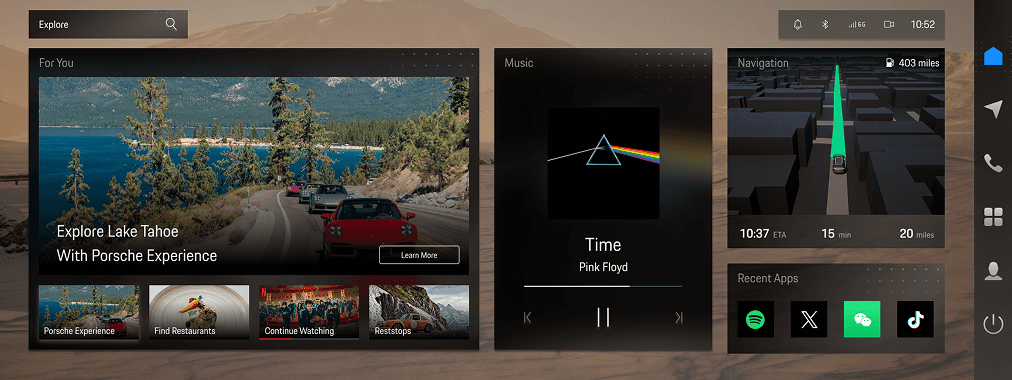
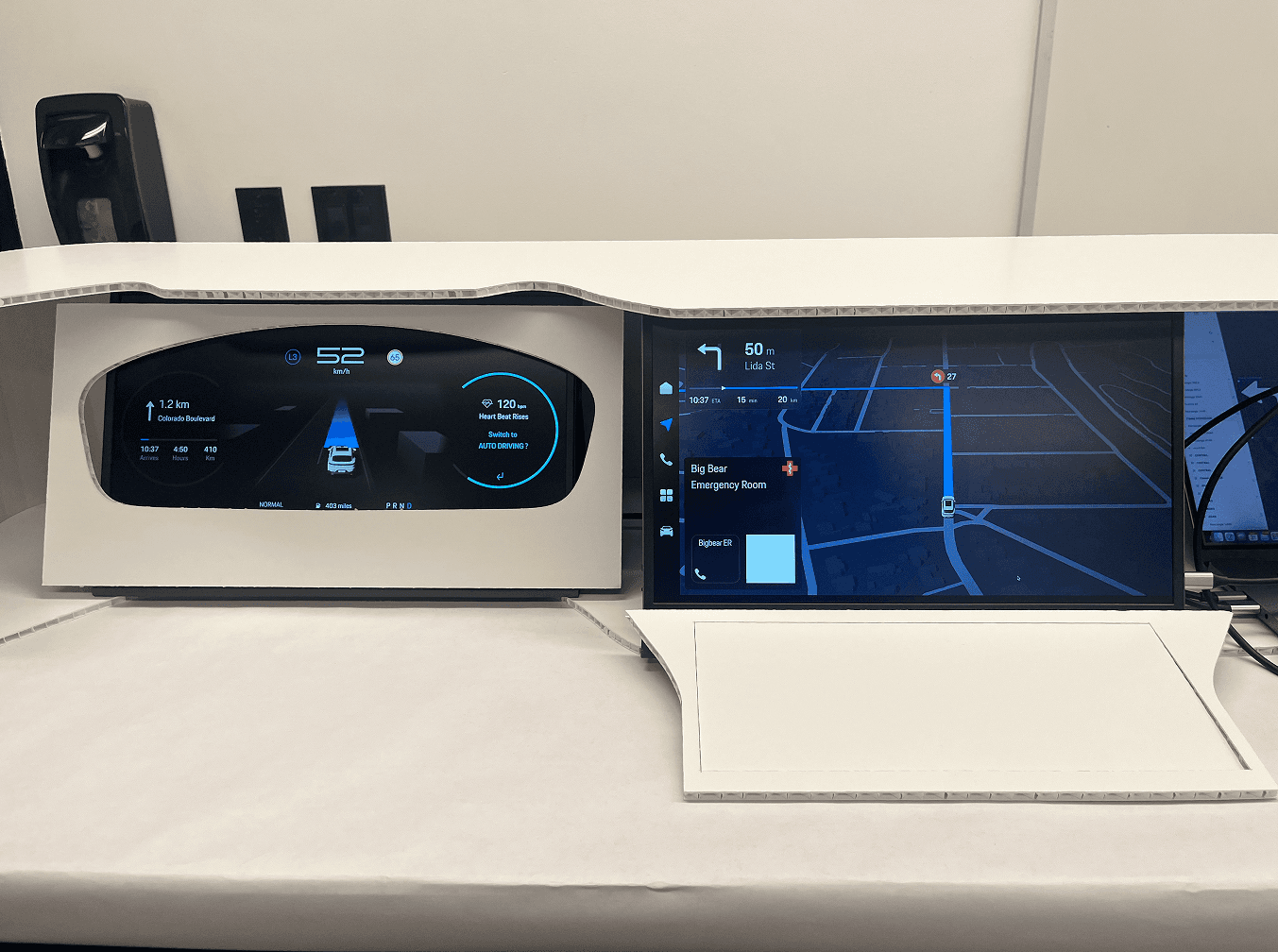
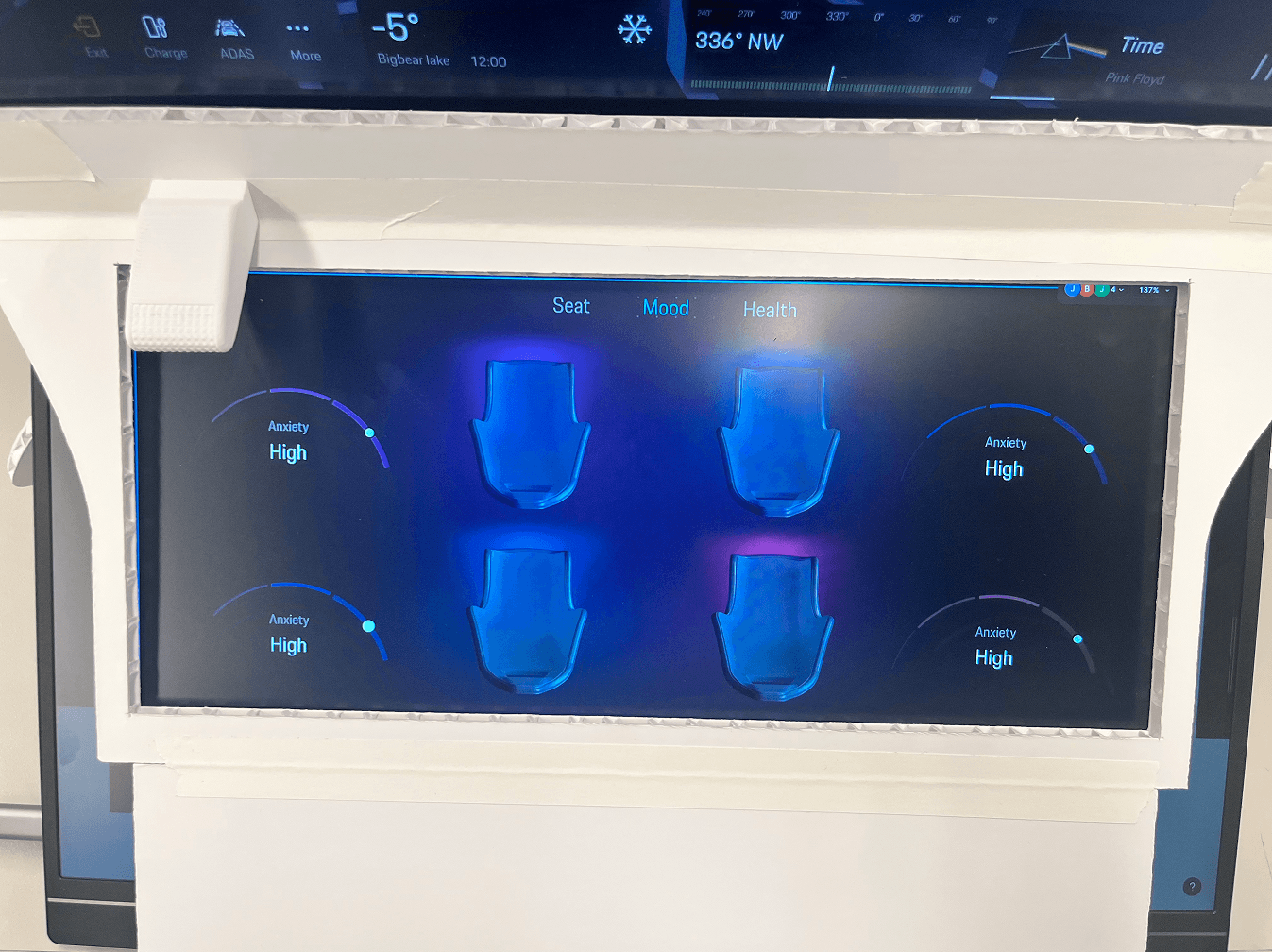
System is divided into four different displays : the driver dashboard essential driving information, a central display for driver-focused navigation, a passenger display for support and entertainment, and a lower display for health and comfort. Physical buttons were also reintroduced and linked to the screens for fast, tactile control.
Design System
How does the design system support a clear and trustworthy in-car experience?
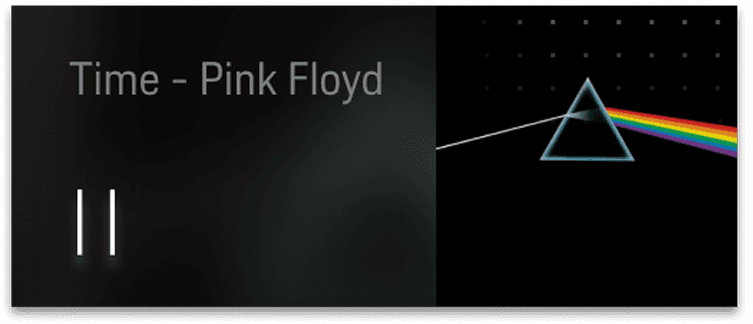
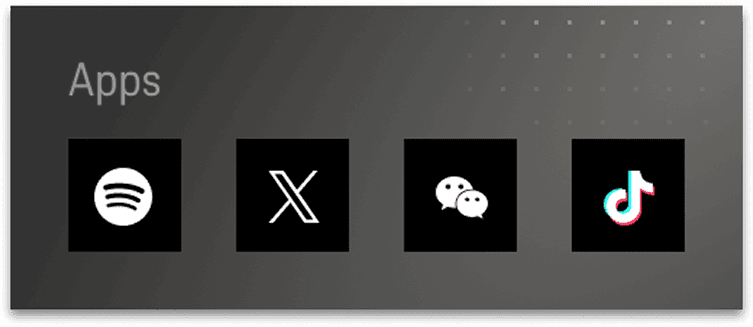
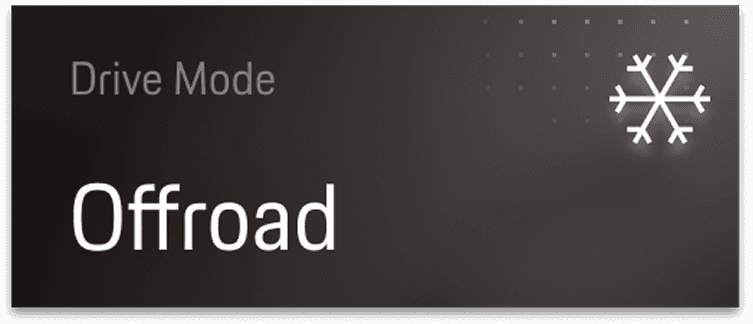
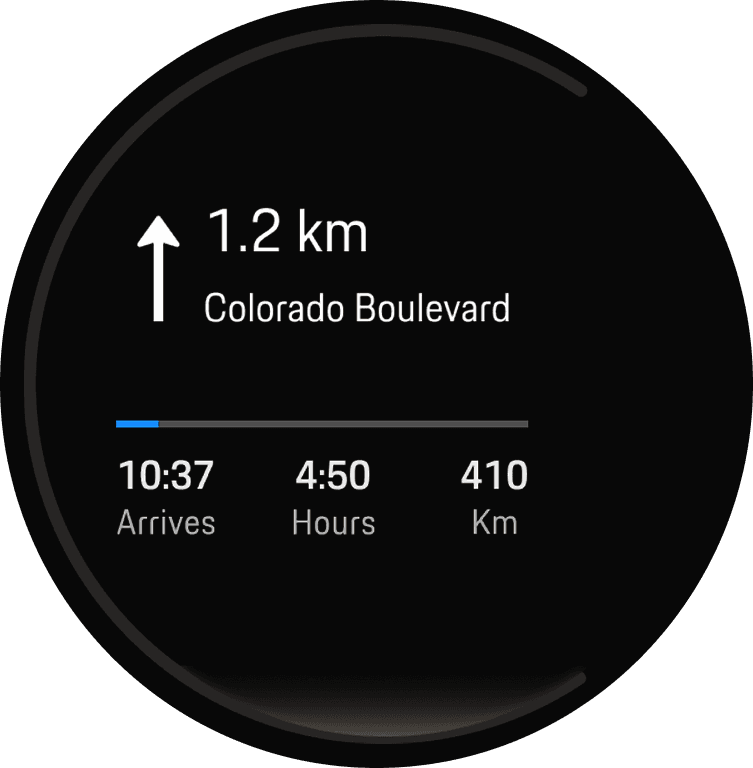
The design system establishes a clear and consistent visual language across the multi-screen cabin interface, supporting intuitive interactions in a bio-aware driving environment.
Design Criteria
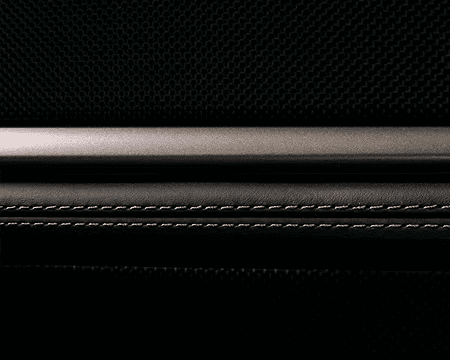
Quiet & Luxury Heritage
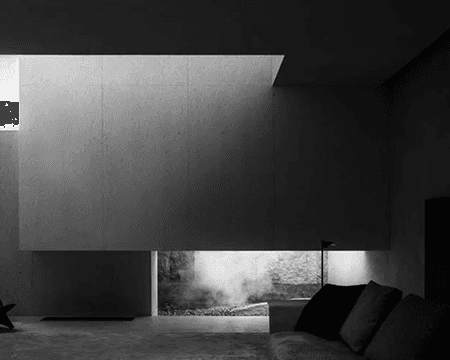
Modern & Precise
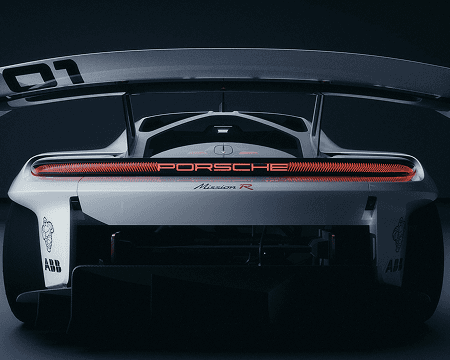
Performance & Innovative
Color
#0E0E12
#FBFCFF
#4E4B48
#7D7E7F
#178BFF
#F7CB47
#09D087
#FC4040
Components

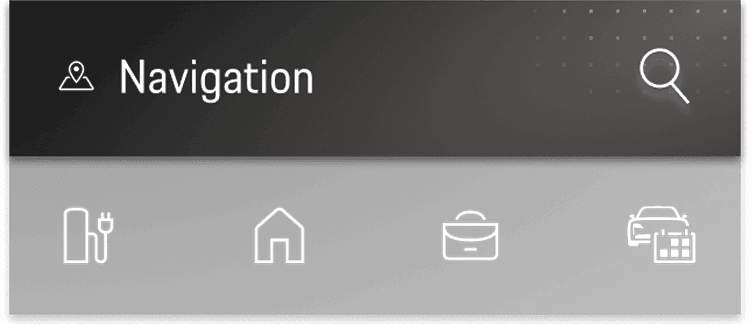

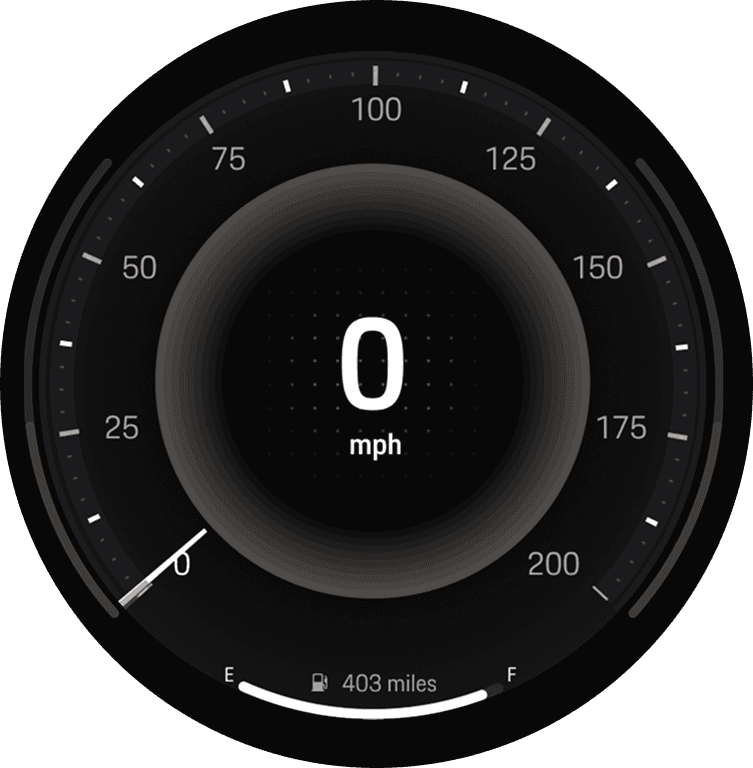
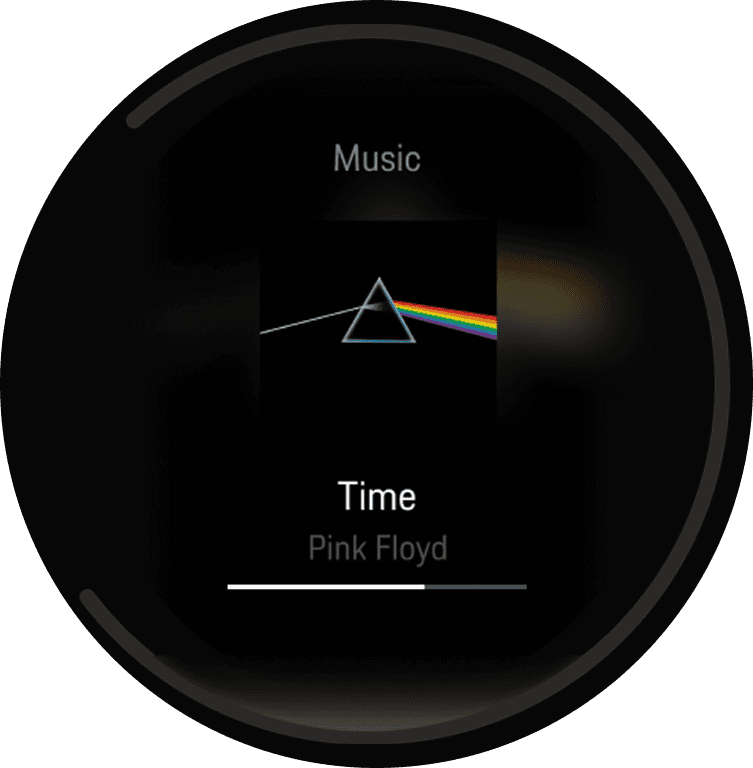
Key Screens
Driver Dashboard
5-Ring Gauge
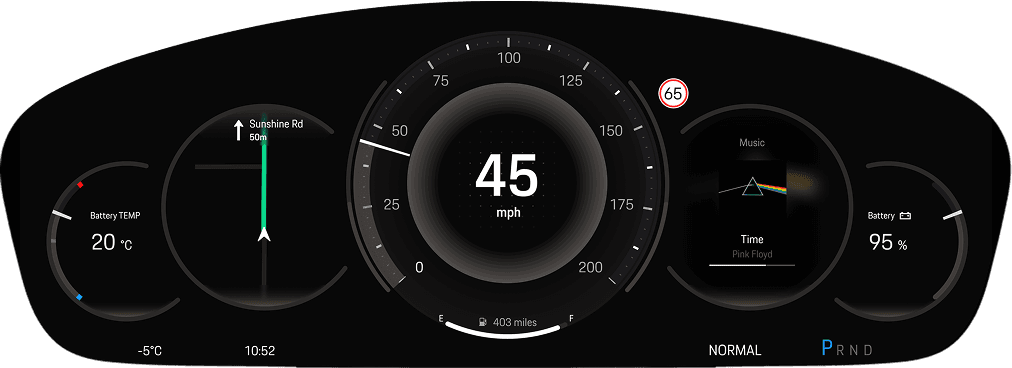
Auto Driving Suggestion
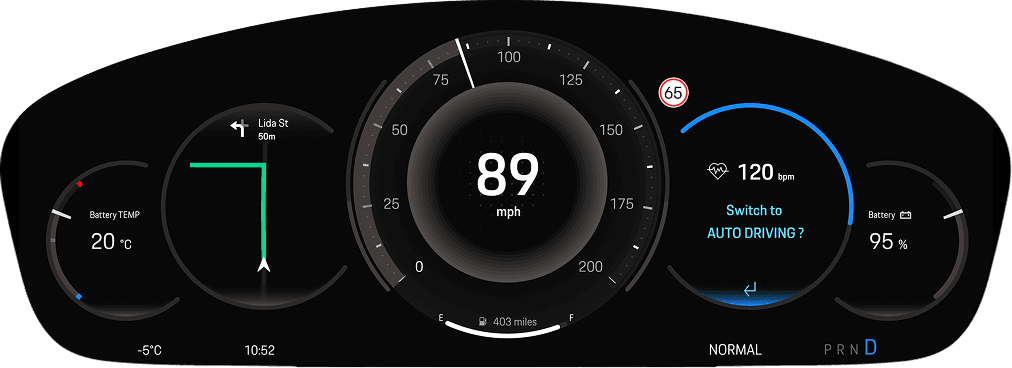
ADAS Auto Driving
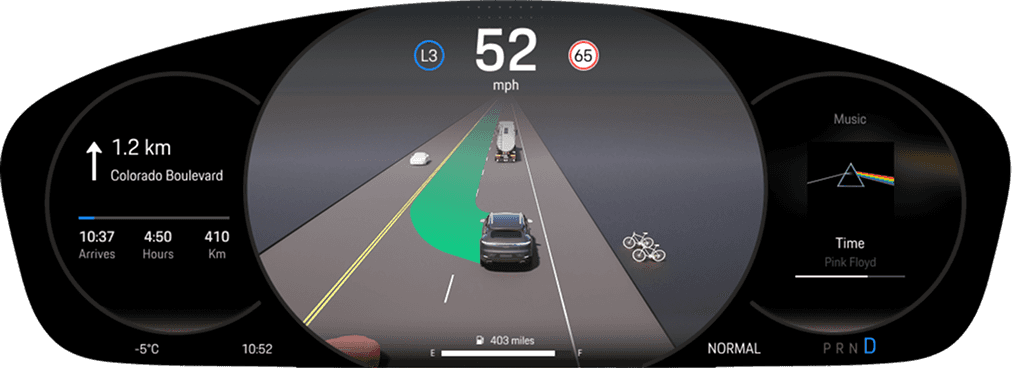
Manual Takeover Suggestion
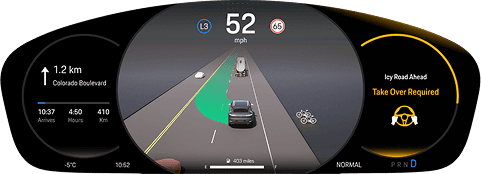
Manual Takeover Requirement
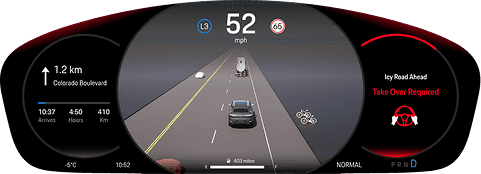
Center Screen
5-Ring Gauge
Auto Driving Suggestion
Bottom Screen
5-Ring Gauge
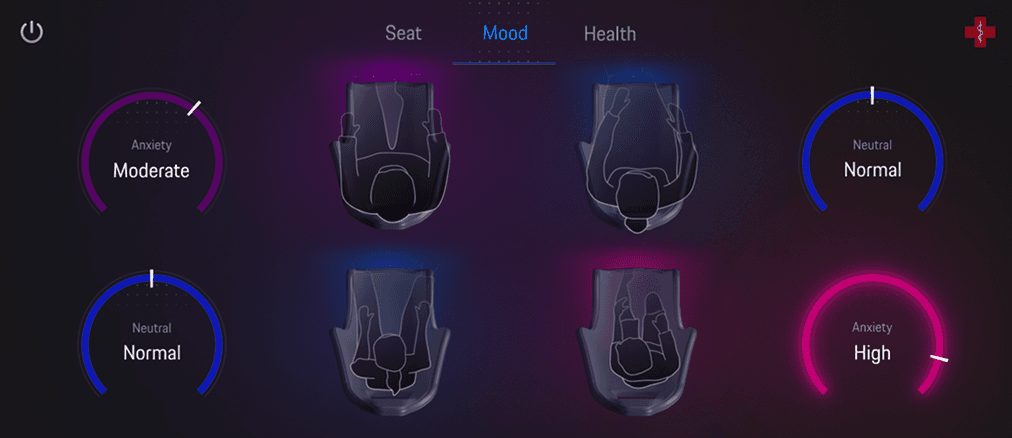
Auto Driving Suggestion
ADAS Auto Driving
Passenger Screen